

Training modality · 522 items
Ultra realism
High-impact critical scenarios.
Training the response when conditions are against you.
Ultra realism does not add fidelity for its own sake: it adds pressure. Noise, blood, little time, incomplete information, a setting that is not a classroom. What is trained is how someone who already knows the technique performs when everything else works against them.
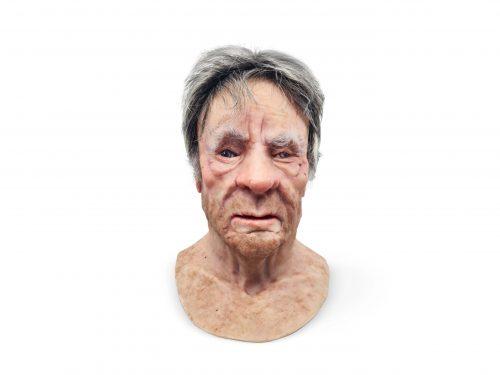
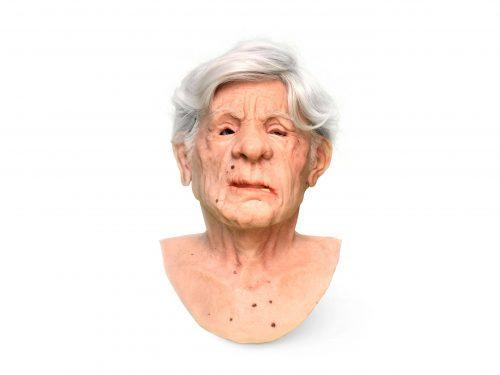
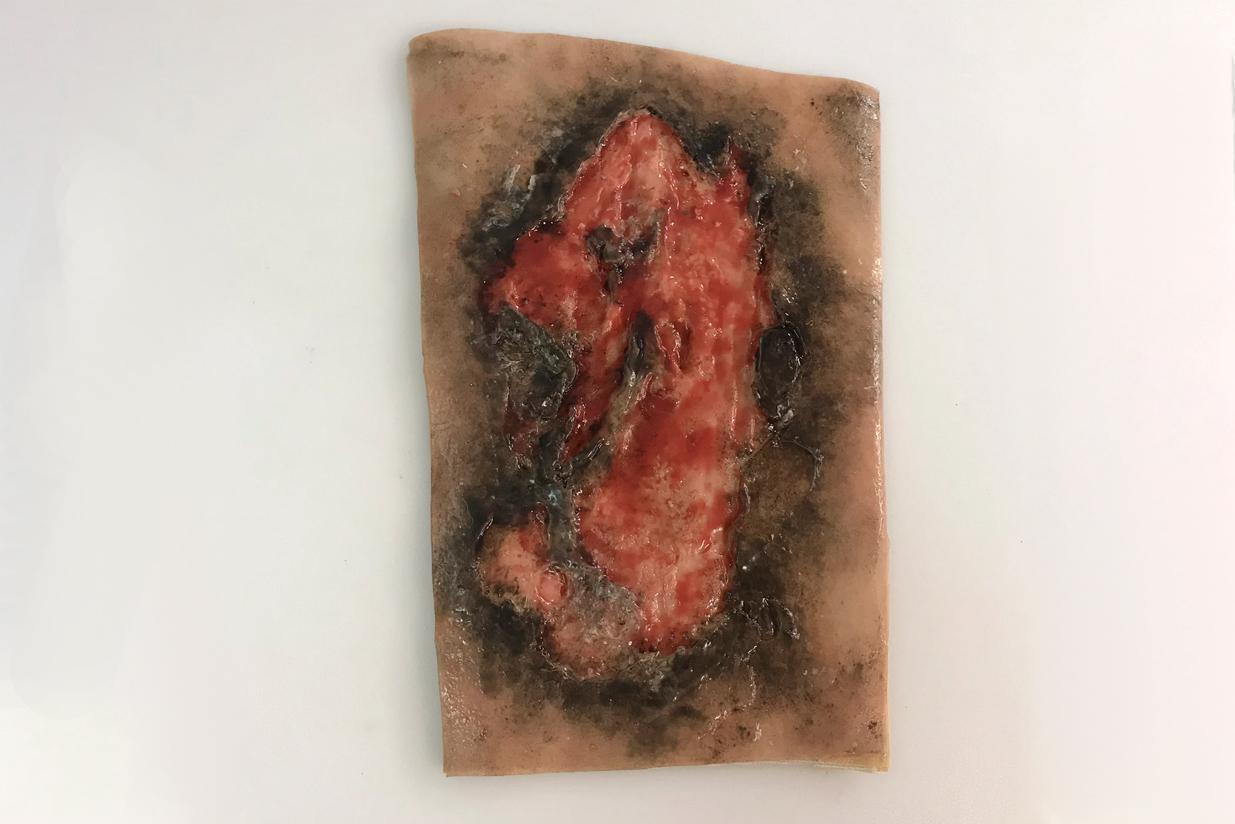
This is the modality of prehospital emergency care, of mass casualty incidents and of military medicine. The make-up — the moulage — is not decoration: it is what makes the student hesitate, and the hesitation is the object of learning.
When this is the right modality
Choosing the right modality saves more money than negotiating the price of the equipment.
Choose it when…
- The students already master the technique and it has to be taken into adverse conditions.
- Triage, prioritisation or mass casualty incidents are being trained.
- The real setting is not a classroom: street, ambulance, open ground.
- Controlled exposure to stress is wanted before the real thing.
It isn't the right one if…
- The movement is still being learnt: realism gets in the way before the technique is mastered. See Task trainer →
- The group includes students with no previous clinical experience. See Patient and equipment simulators →
- There is no debriefing prepared for what the scenario is going to stir up. See Patient and equipment simulators →
How it's used in the classroom
What you need to know before sizing the classroom.
- Ratio
- Groups of 6–12, by role
- Session
- Half a day, set-up included
- Instructor
- A team: scenario director, actors and assessors
- Recurring cost
- High — make-up consumables
How to budget for it properly
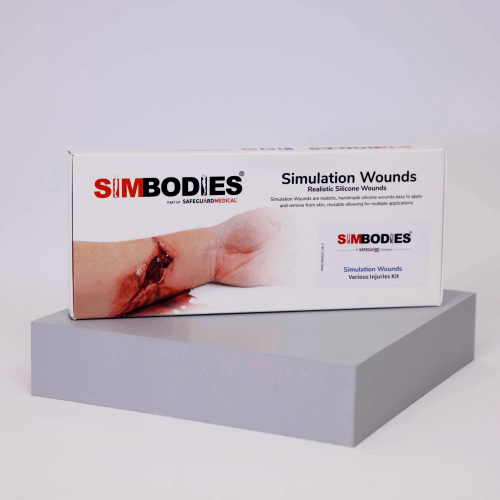
The bulk of the recurring spend is consumable — artificial blood, wounds, make-up — and it is planned per scenario, not per unit. Working out the cost of a full day from the start lets you close the annual programme with a firm figure and defend it without surprises.
Who uses it
Specialties that turn to this modality most often.
Common procedures
Equipment in this modality
522 references in the catalogue.
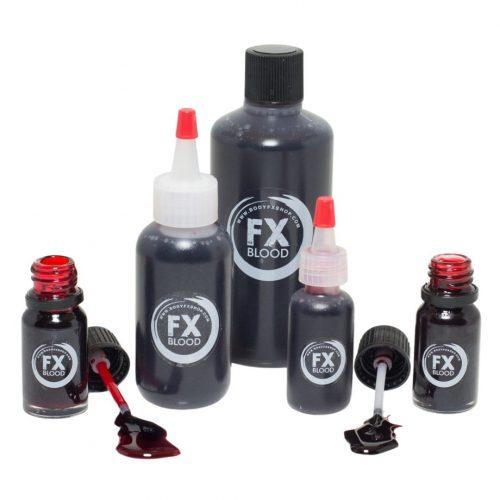
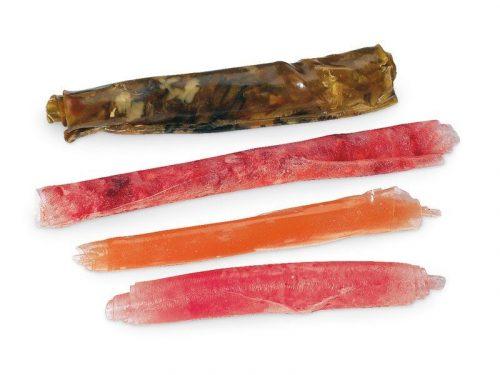
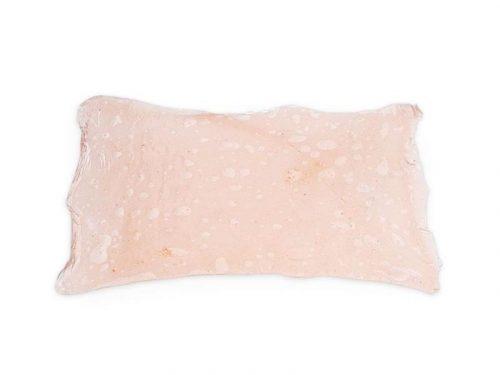
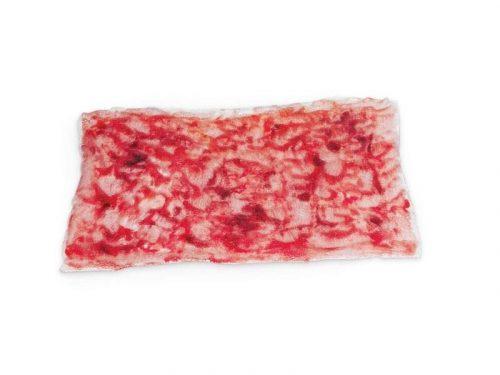
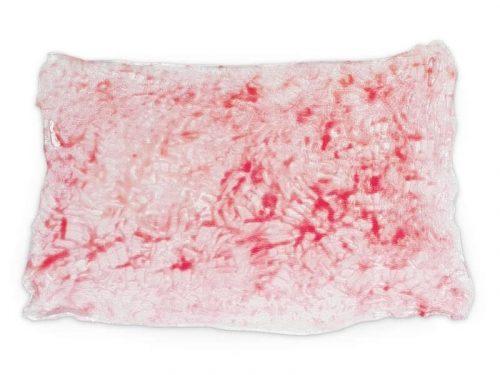
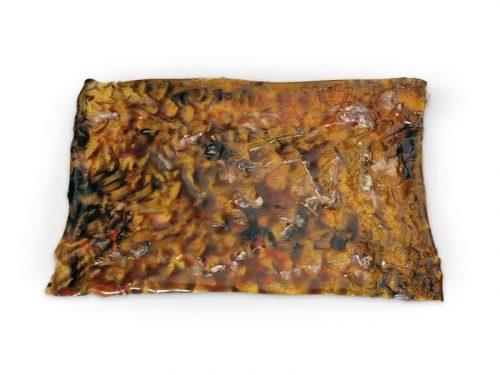
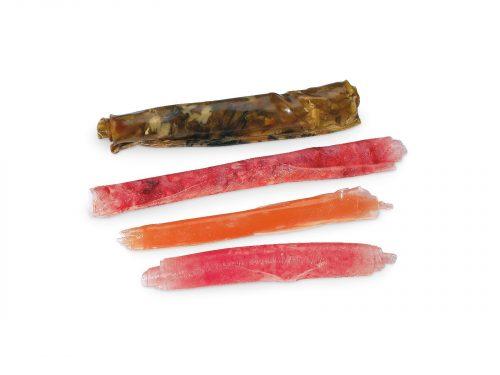
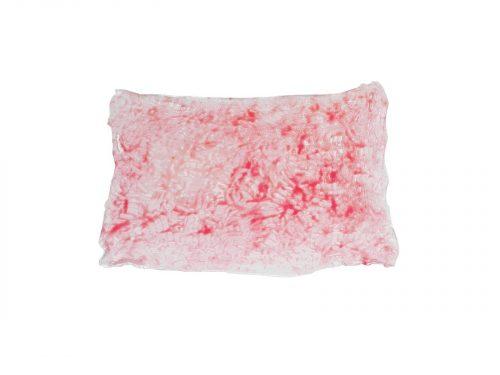
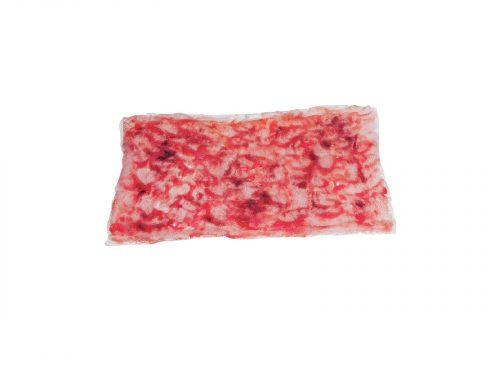
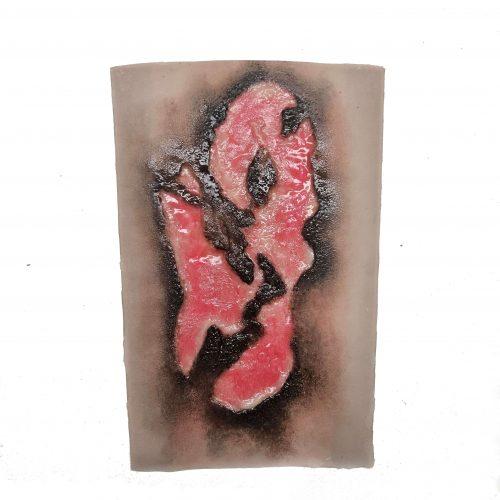
Simulated Burns 2nd degree (superficial)
The six modalities
Task trainer
Specific procedural skill.
2,088 items →Anatomical model
Understanding structure and function.
876 items →Ultra realism
High-impact critical scenarios.
You're viewing this onePatient and equipment simulators
Technical and non-technical skills, and equipment handling.
392 items →Standardised patient
Communication and the therapeutic relationship.
251 items →Digital tools
Clinical reasoning and decision-making.
56 items →