

Training modality · 876 items
Anatomical model
Understanding structure and function.
It does not train a movement: it builds the map the others rest on.
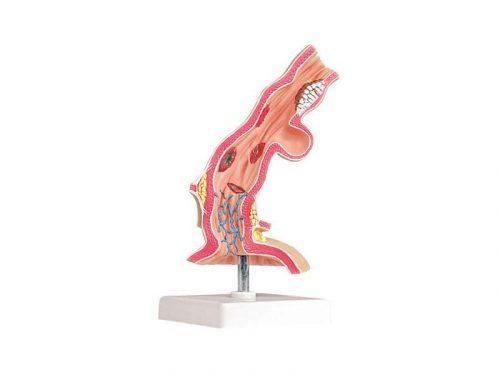
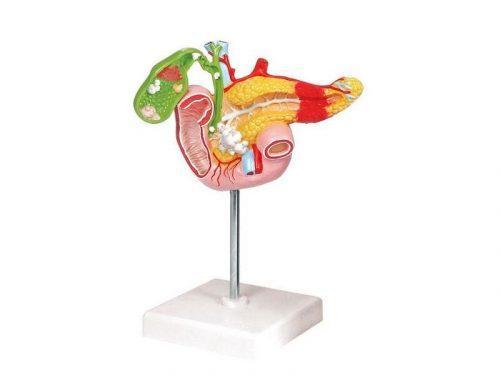
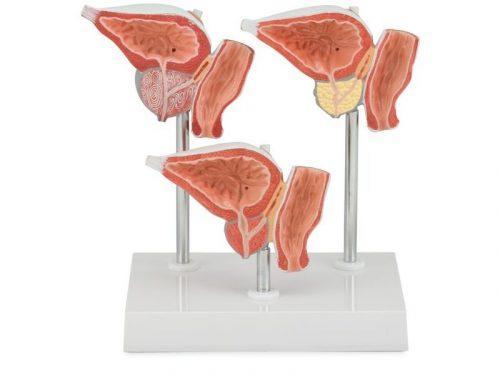
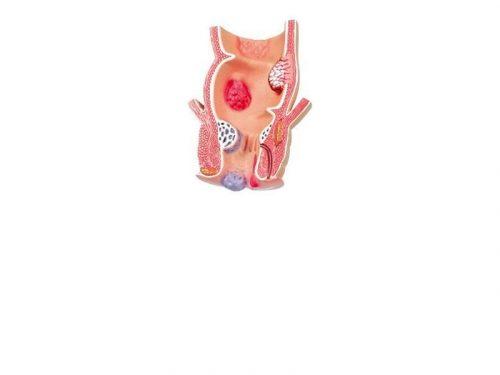
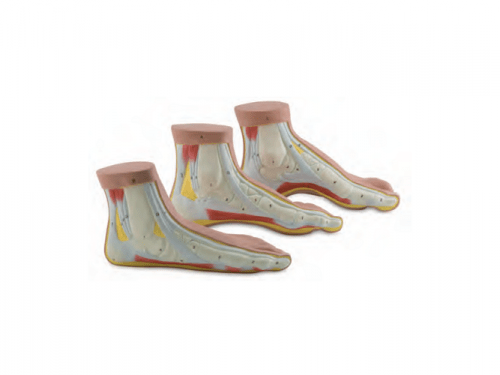
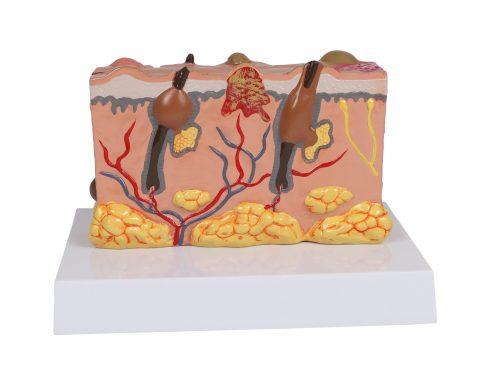
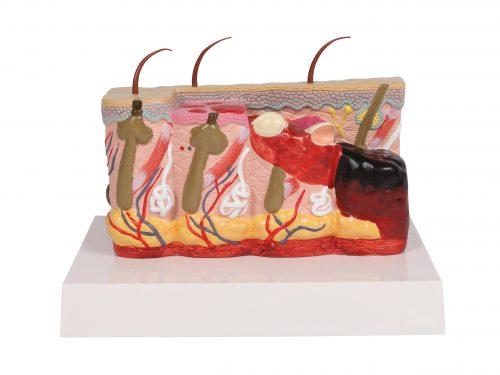
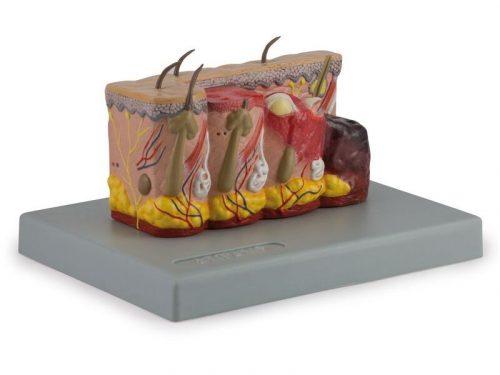
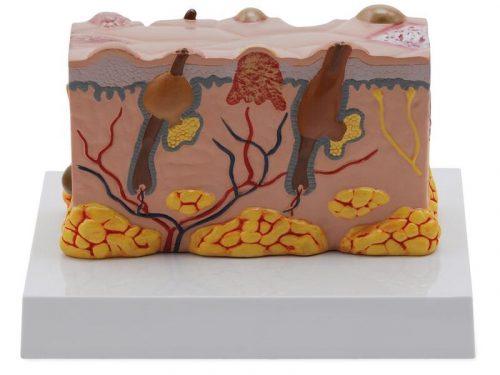
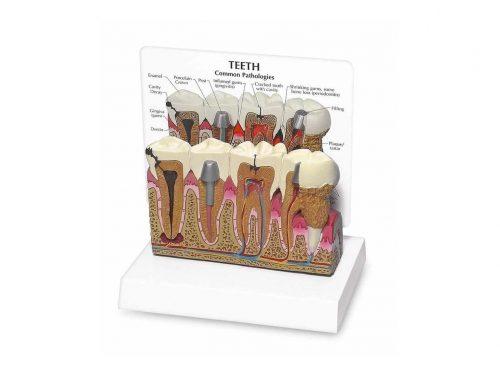
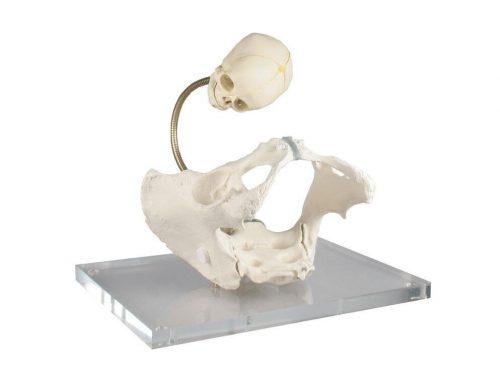
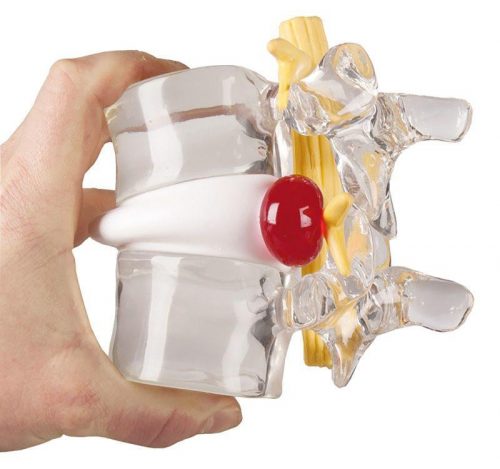
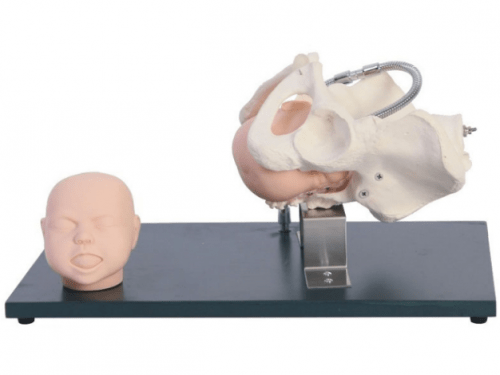
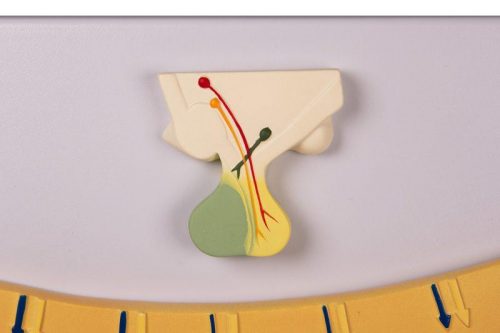
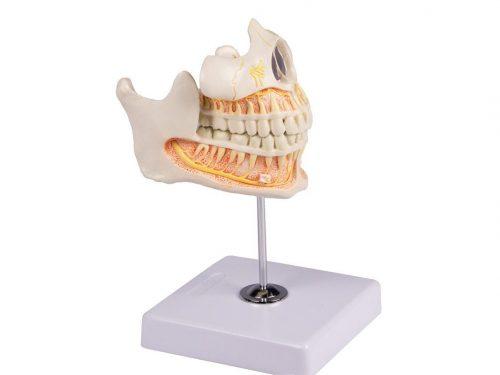
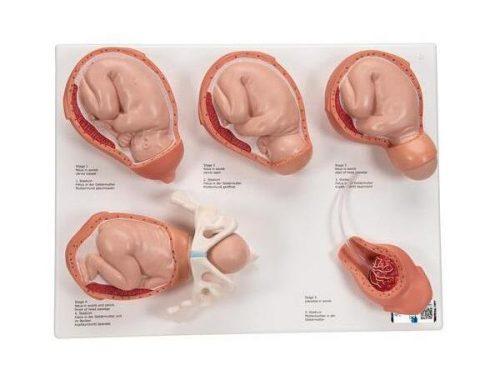
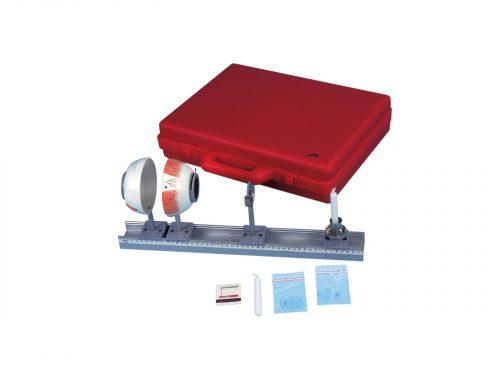
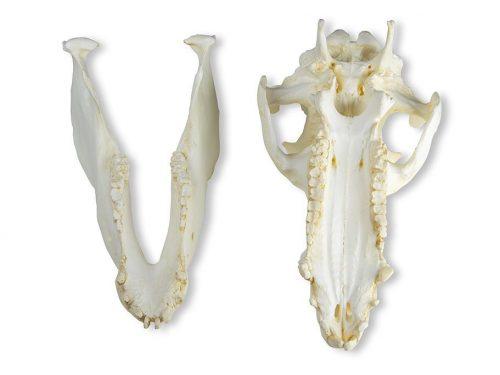
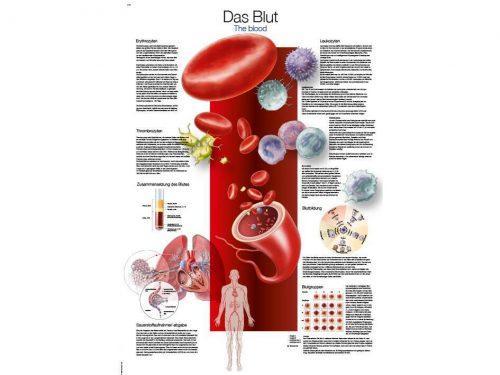
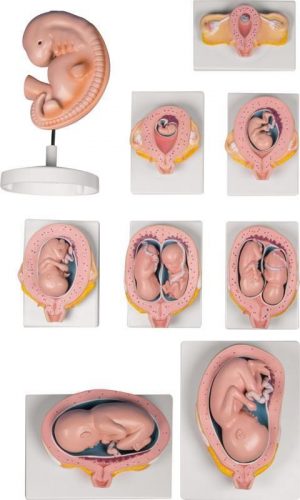
An anatomical model does not simulate a procedure, and that is why the taxonomy separates it from the five modalities. What it does is make visible and touchable a structure that is hidden in the real body: a heart that opens, a knee with its ligaments, an abdominal wall in layers.
It is the largest category in the catalogue — 876 references — and the one that underpins the first years of any health degree. It is also the one that works best outside the classroom: in the consulting room, to explain to a patient what is about to be done to them.
When this is the right modality
Choosing the right modality saves more money than negotiating the price of the equipment.
Choose it when…
- Anatomy, physiology or pathophysiology is taught in the early years.
- The student needs to handle and take apart the structure.
- Long-lasting, low-maintenance material is wanted.
- Visual support is wanted to explain a procedure to a patient or a family.
It isn't the right one if…
- The objective is to practise a technique on tissue. See Task trainer →
- Physiological response or feedback on the performance is needed. See Patient and equipment simulators →
How it's used in the classroom
What you need to know before sizing the classroom.
- Ratio
- 1 model per 4–8 students
- Session
- Open, continuous use
- Instructor
- Optional
- Recurring cost
- Very low — no consumables
How to budget for it properly
It is the modality with the best cost per student per year in the whole catalogue: no consumables, no licences and a service life measured in decades. What protects that investment is the stand, the cabinet and the trolley — a fraction of the price that multiplies the years of service.
Who uses it
Specialties that turn to this modality most often.
Common procedures
Equipment in this modality
876 references in the catalogue.
The six modalities
Task trainer
Specific procedural skill.
2,088 items →Anatomical model
Understanding structure and function.
You're viewing this oneUltra realism
High-impact critical scenarios.
522 items →Patient and equipment simulators
Technical and non-technical skills, and equipment handling.
392 items →Standardised patient
Communication and the therapeutic relationship.
251 items →Digital tools
Clinical reasoning and decision-making.
56 items →