
Training modality · 392 items
Patient and equipment simulators
Technical and non-technical skills, and equipment handling.
A patient who responds, a team that decides and the machines that keep them going.
The patient simulator reacts: the vital sign changes, the rhythm shifts, the drug works or it does not. That forces the student to decide and to revisit the decision, which is what no task trainer can teach. And since the case rarely resolves on its own, in come what the literature calls non-technical skills: leadership, task distribution, speaking out loud, situational awareness.
Around that bed sits the equipment that turns it into an ICU, an operating theatre or a dialysis unit: monitors, ventilators, pumps, defibrillators, ECMO. Simulating that is trained too, and it is a different competency — the interface, not the clinical judgement. That is why this modality groups the two families: the patient and the machines that keep them going.
The two families in this modality
They are bought separately and used together.
Patient simulators
They reproduce the person: vital signs, physiological response, pulses, voice. On them you train assessment, treatment and the coordination of the team around a bed.
Equipment simulators
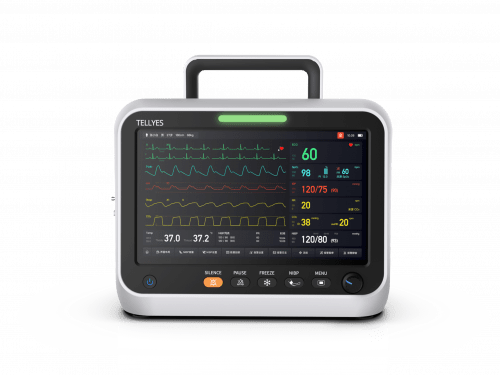
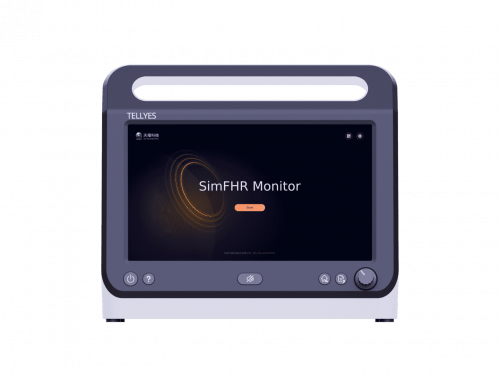
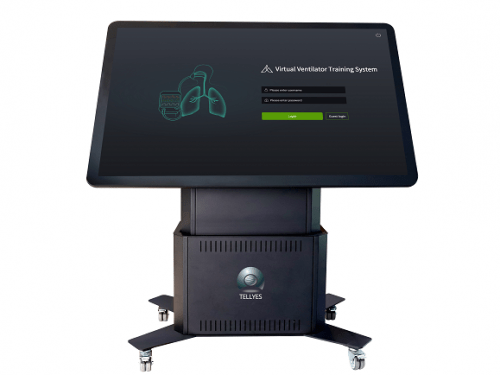
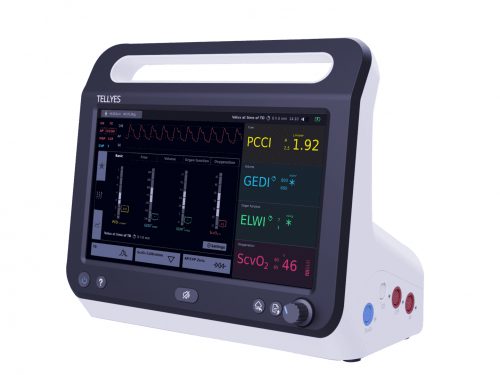
They reproduce the equipment around that bed: multiparameter monitors, ventilators, infusion pumps, defibrillators, ECMO, dialysis machines. What is trained here is the interface — setting up the circuit, programming the parameters, reading the trace and responding to the alarm.
A complete centre needs both. The patient without the equipment is a manikin in an empty room; the equipment without the patient is a button simulator.
When this is the right modality
Choosing the right modality saves more money than negotiating the price of the equipment.
Choose it when…
- The complete management of a case is being trained, not an isolated technique.
- The objective includes teamwork and communication under load.
- Instructors trained in debriefing are available.
- There is a room and a recording system to review the performance afterwards.
It isn't the right one if…
- The basic technique is not mastered yet. See Task trainer →
- There is no time or staff for debriefing: without it, the session is wasted. See Task trainer →
- The aim is to equip many stations on a small budget. See Task trainer →
How it's used in the classroom
What you need to know before sizing the classroom.
- Ratio
- 1 unit per 4–6 students
- Session
- 20 min of scenario + 40 of debriefing
- Instructor
- Essential, plus an operator
- Recurring cost
- Medium — consumables and annual maintenance
How to budget for it properly
This is the modality that delivers most when it is bought as a whole. The control room, the audio-video system and a trained instructor are what turn a simulator into a teaching programme, so budgeting for the environment alongside the equipment is what guarantees the centre gets used every week.
Who uses it
Specialties that turn to this modality most often.
Common procedures
Equipment in this modality
392 references in the catalogue.
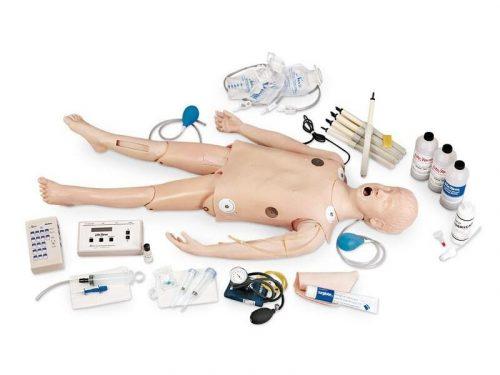
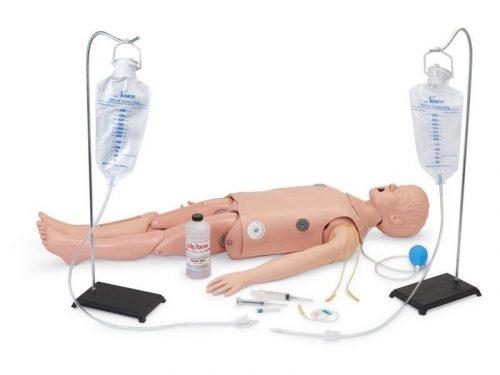
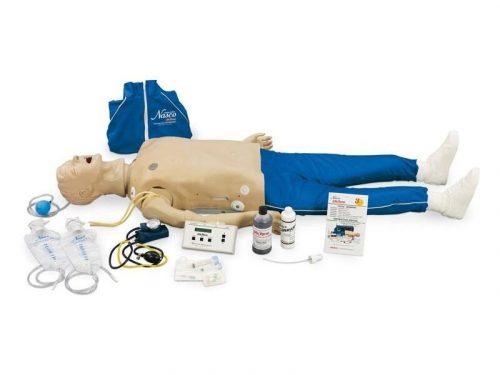
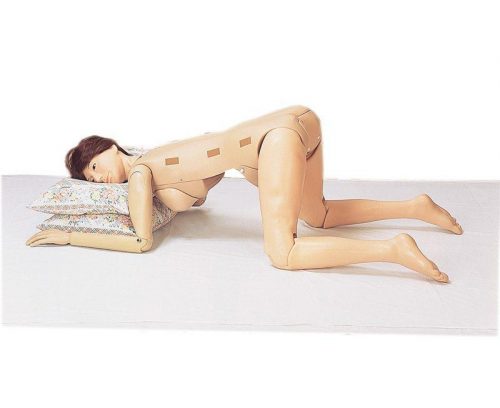
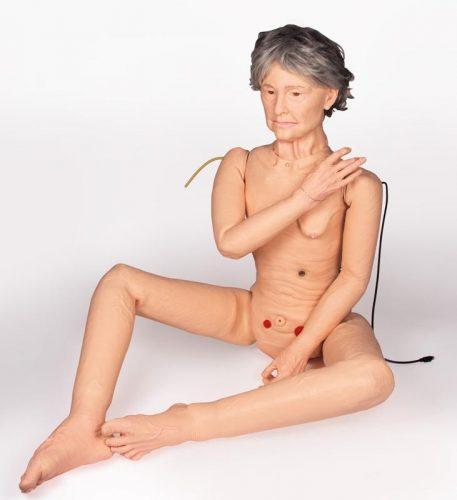
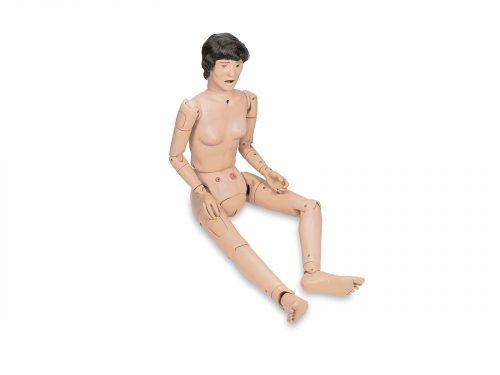
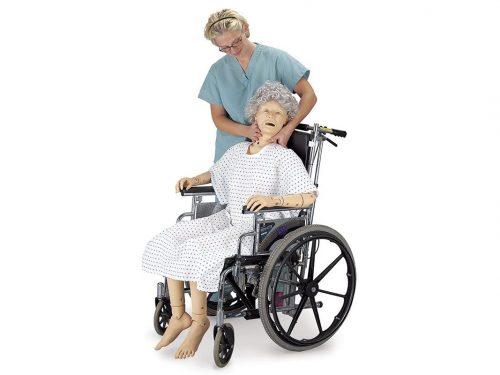
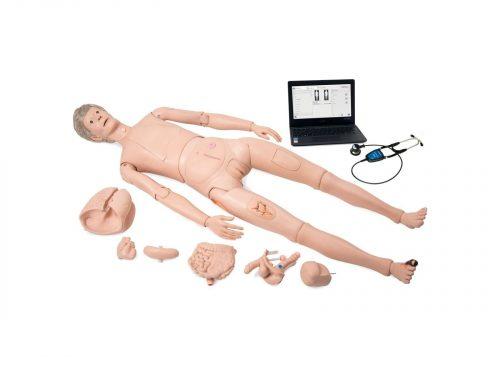
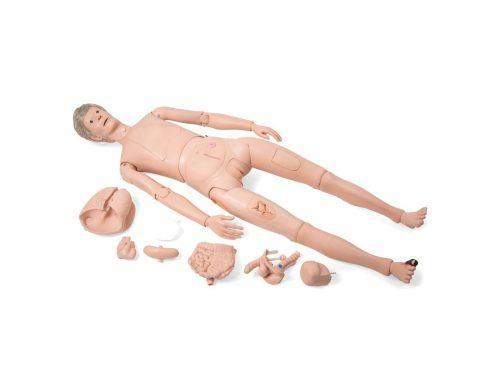
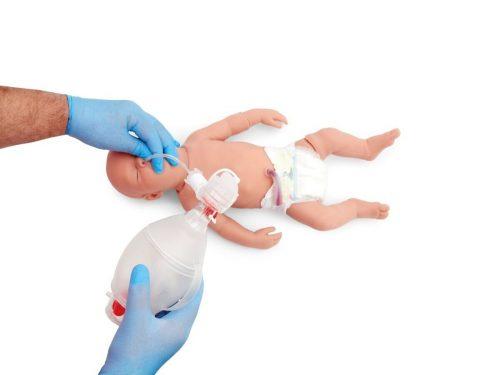
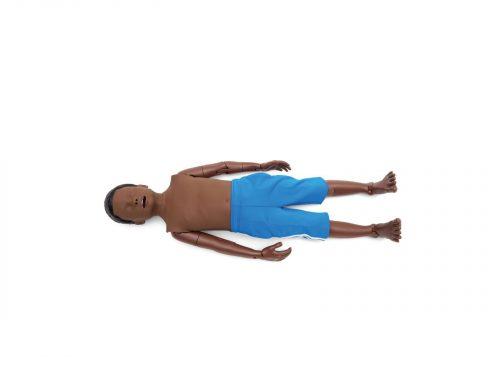
Patient simulators
357 references

Another family in this modality
Equipment simulators
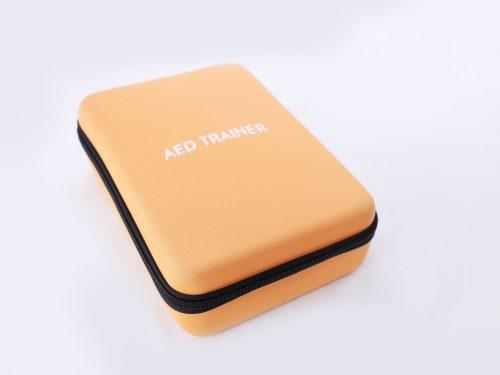
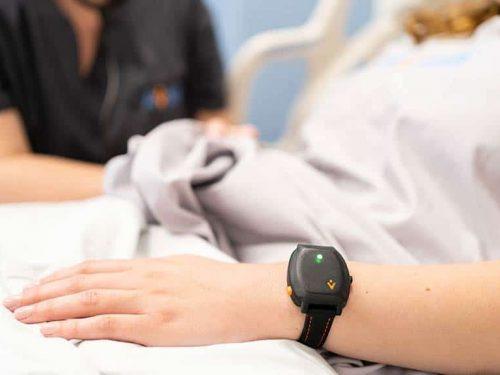
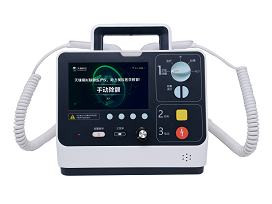
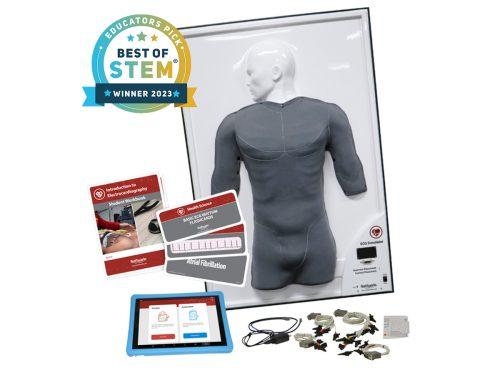
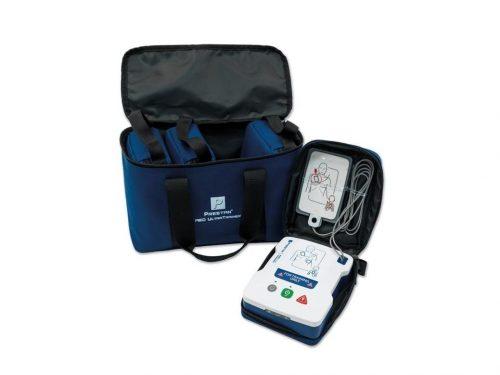
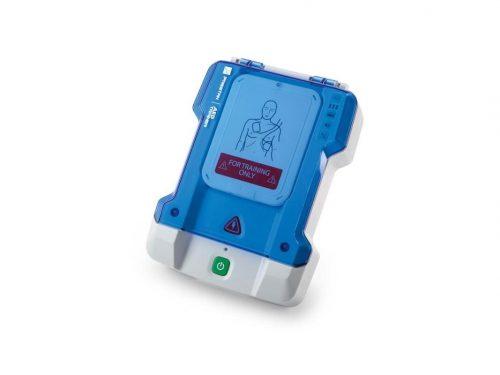
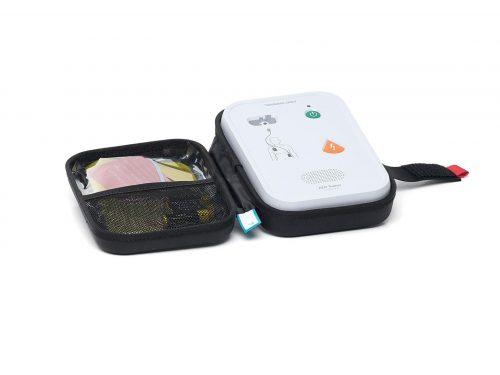
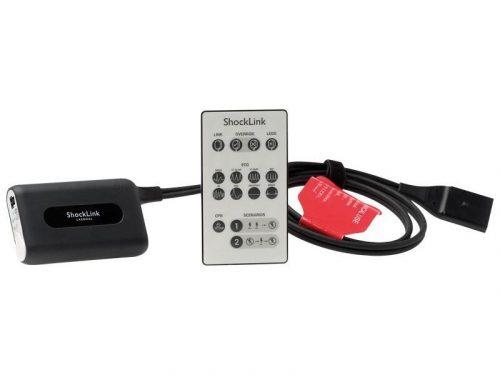
They reproduce the equipment around that bed: multiparameter monitors, ventilators, infusion pumps, defibrillators, ECMO, dialysis machines. What is trained here is the interface — setting up the circuit, programming the parameters, reading the trace and responding to the alarm.
35 references
The six modalities
Task trainer
Specific procedural skill.
2,088 items →Anatomical model
Understanding structure and function.
876 items →Ultra realism
High-impact critical scenarios.
522 items →Patient and equipment simulators
Technical and non-technical skills, and equipment handling.
You're viewing this oneStandardised patient
Communication and the therapeutic relationship.
251 items →Digital tools
Clinical reasoning and decision-making.
56 items →