

Training modality · 2,088 items
Task trainer
Specific procedural skill.
A single technical movement, repeated until it no longer needs thinking about.
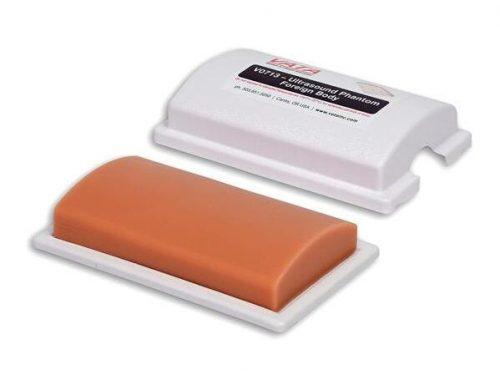
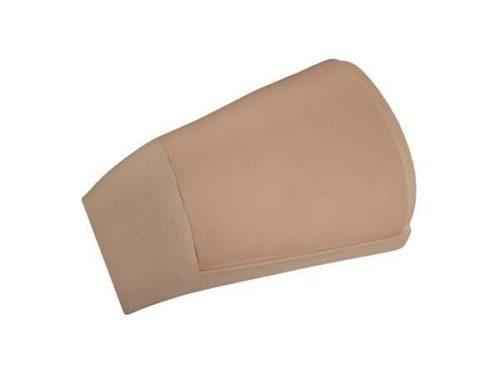
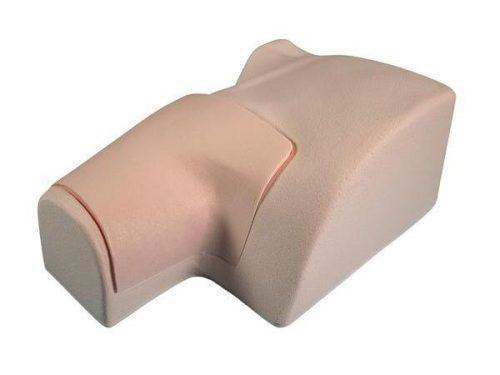
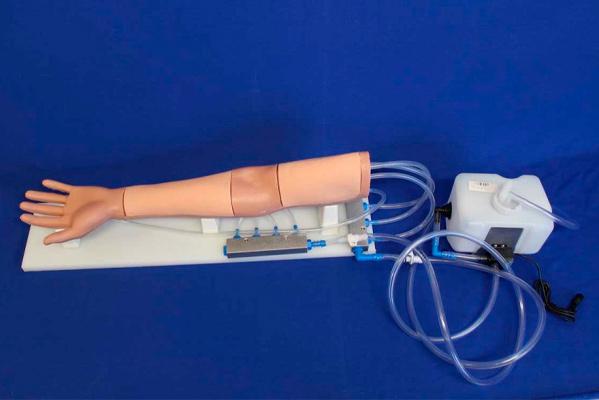
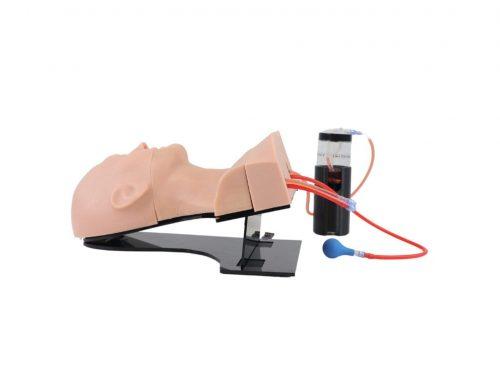
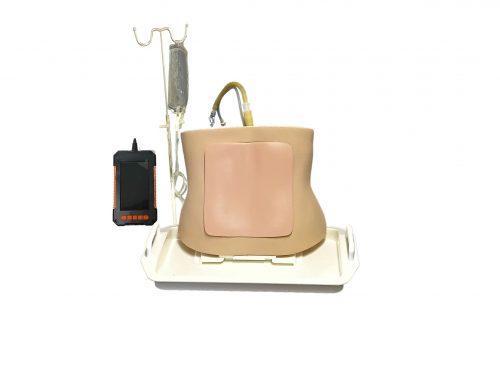
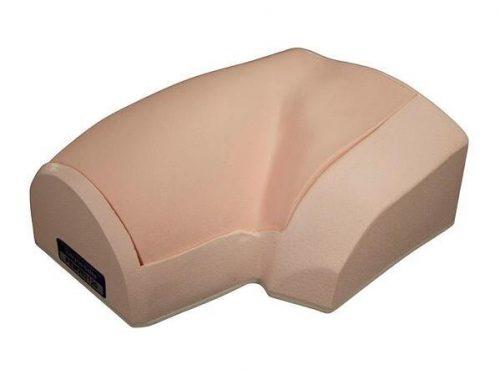
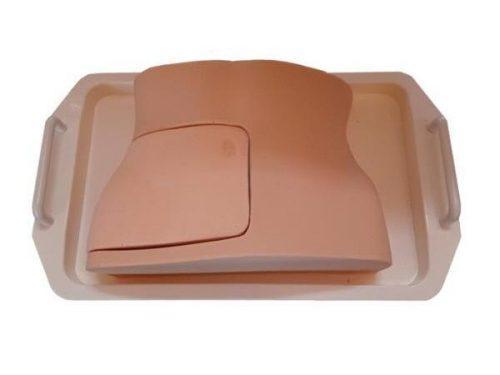
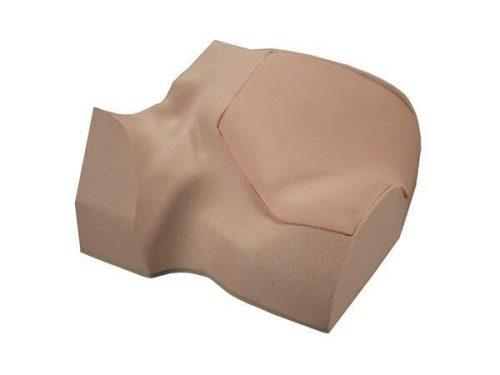
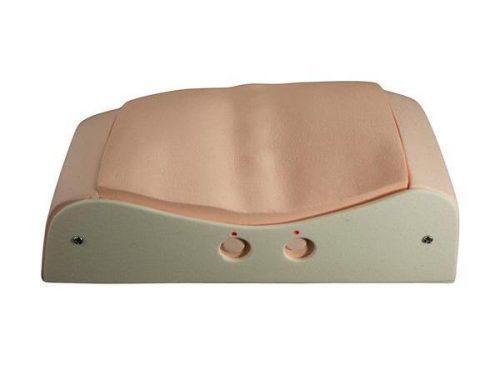
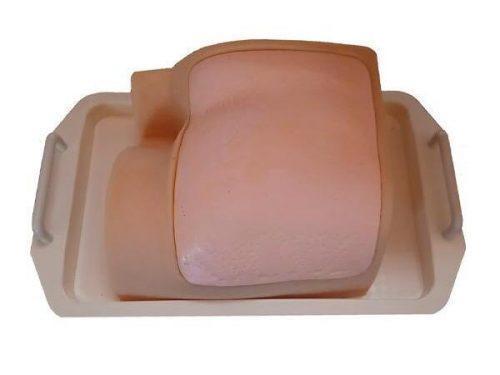
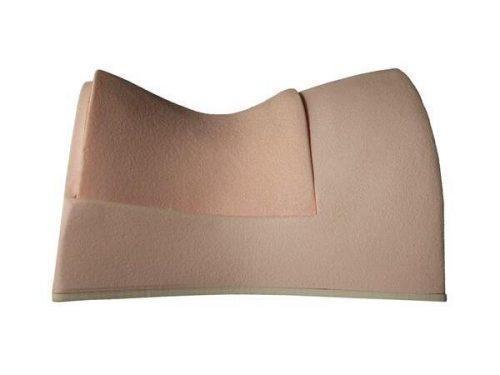
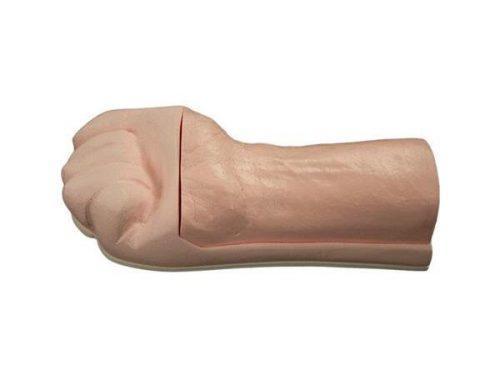
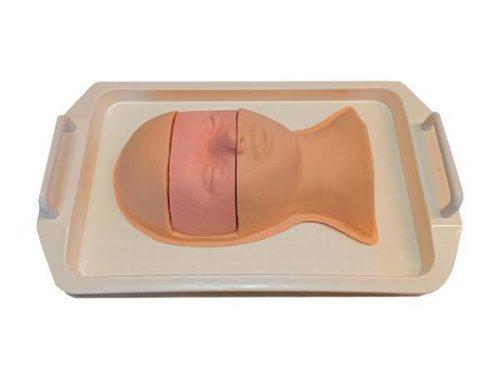
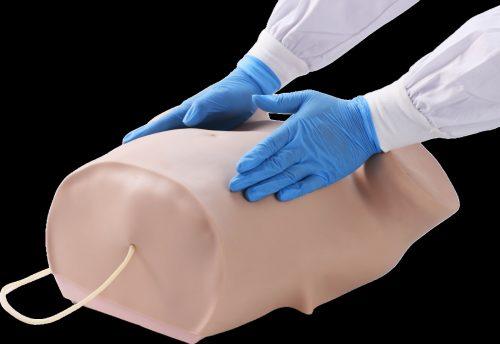
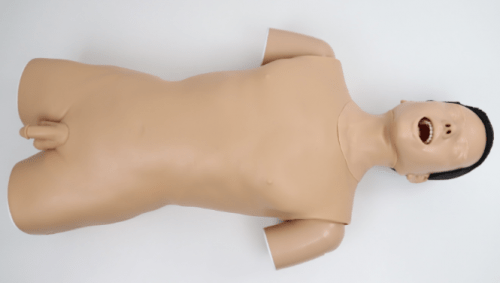
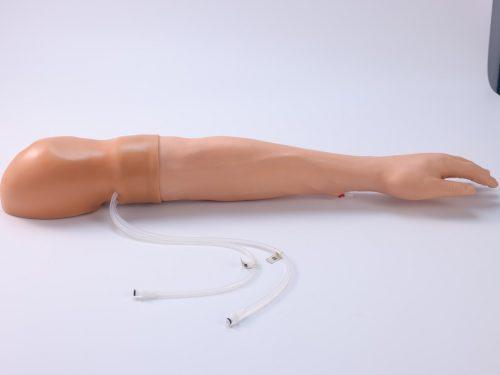
The task trainer reproduces one part of the body and one technique, not a patient. An arm for cannulating a vein, a torso for dressing a wound, a pelvis for catheterisation. Everything that is not that technique is deliberately stripped away.
That reduction is the advantage: the student repeats the movement dozens of times in a single session, without waiting for a turn or setting up a scenario. Automating a skill takes volume, and volume is only possible when the equipment is simple.
When this is the right modality
Choosing the right modality saves more money than negotiating the price of the equipment.
Choose it when…
- There is a specific technique that has to become automatic before it is used on a patient.
- A high number of repetitions per student is needed.
- Several stations have to be equipped on a contained budget.
- Learning can be self-directed, with or without an instructor present.
It isn't the right one if…
- The objective is decision-making or clinical prioritisation. See Patient and equipment simulators →
- Teamwork or crisis management is being trained. See Patient and equipment simulators →
- Communication with the patient or history-taking is being trained. See Standardised patient →
- The patient needs to respond to what the student does. See Patient and equipment simulators →
How it's used in the classroom
What you need to know before sizing the classroom.
- Ratio
- 1 unit per 2–3 students
- Session
- 30–90 minutes
- Instructor
- Optional, allows self-directed practice
- Recurring cost
- High — the consumable is the real expense
How to budget for it properly
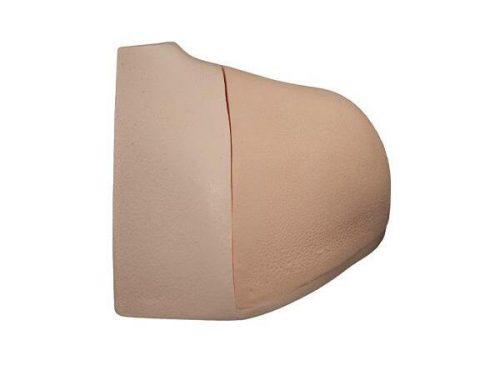
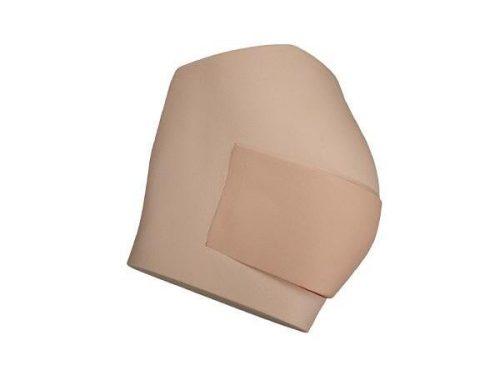
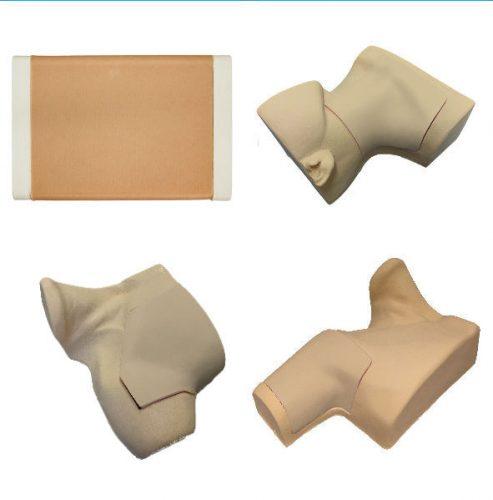
The lever is the consumable: the skin, the pad or the module that gets replaced is what sets the cost per student per year. Budgeting for it from day one — and not when the first one runs out — is what keeps the classroom running at full capacity all year.
Who uses it
Specialties that turn to this modality most often.
Common procedures
Equipment in this modality
2,088 references in the catalogue.
The six modalities
Task trainer
Specific procedural skill.
You're viewing this oneAnatomical model
Understanding structure and function.
876 items →Ultra realism
High-impact critical scenarios.
522 items →Patient and equipment simulators
Technical and non-technical skills, and equipment handling.
392 items →Standardised patient
Communication and the therapeutic relationship.
251 items →Digital tools
Clinical reasoning and decision-making.
56 items →