

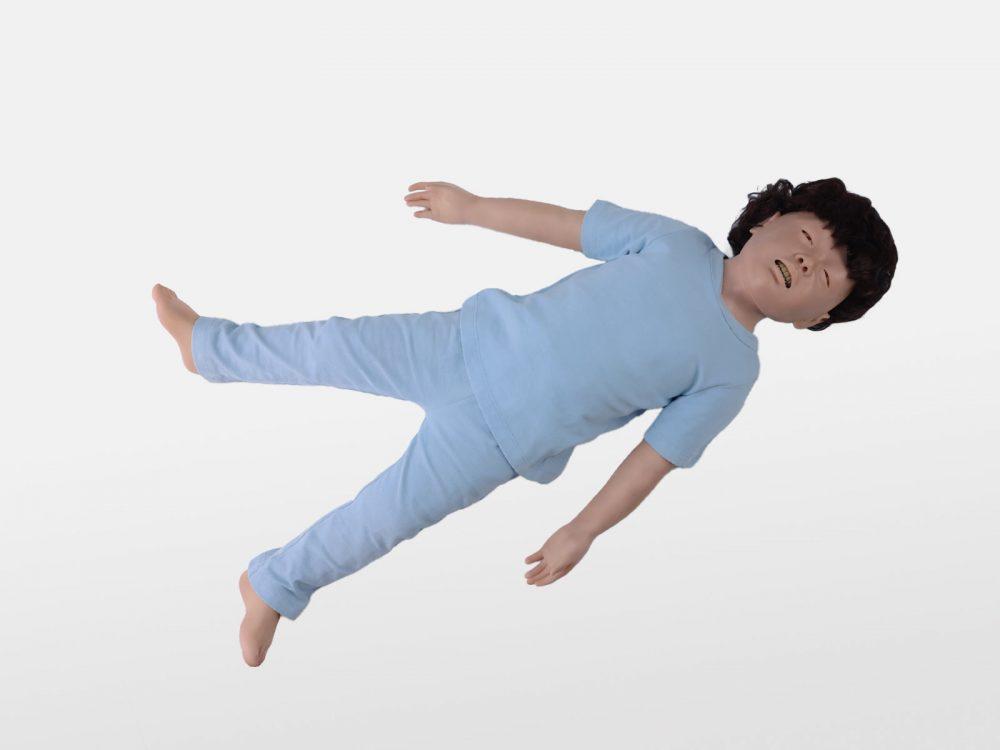
Reference 10799 · Task trainer
Pediatric Puncture Training Model
- Task trainer
- Paediatrics
- Main product
- Medicine
This simulator accurately represents a 5-year-old child, featuring correct anatomical structures and clear bony landmarks on the surface. It allows for comprehensive puncture training with distinct puncture path levels and flexible joints, and it includes simulated effusion that can be extracted post-puncture.
Price on request
Available in Spain, Portugal and Andorra · delivery time given in the proposal
Downloadable data sheet — features, specifications and delivery time, in PDF.
Need a technical report? Ask us for it and we'll send it within 24 h →
Description
What this equipment is and what it's designed for.
Product No.: PC-PEE032.01
 Overview
This simulator accurately represents a 5-year-old child, featuring correct anatomical structures and clear bony landmarks on the surface. It allows for comprehensive puncture training with distinct puncture path levels and flexible joints, and it includes simulated effusion that can be extracted post-puncture.
 Anatomy
The simulator includes flexible skin, subcutaneous, and muscle tissues, providing a realistic and elastic touch.
A complete bionic skeletal structure reflects true bone landmarks, facilitating accurate anatomical training.
It allows for various puncture procedures, including abdominal dullness percussion, fluid chest punctures, lumbar punctures, and bone marrow punctures, with the capacity to extract simulated effusion.
 Realism
The model’s design enables realistic puncture training at different anatomical sites, providing tactile feedback and resistance.
Flexible joints ensure proper positioning for various puncture procedures commonly performed on children, enhancing the training experience.
 Cleaning
Clean the simulator using a damp cloth with warm water and a mild detergent. Avoid using abrasive cleaning agents or materials.
Ensure all components are dry before storage.
Store in a cool, dry place, protected from direct sunlight.
Specifications
|
Package (kg) & Dimension(cm) LxWxH |
12 |
110 |
38 |
25 |
What you learn
Task trainer modality. The competencies this equipment trains, in the language of the training plan.
- Percuss the abdomen and recognise dullness.
- Perform therapeutic paediatric thoracentesis.
- Perform lumbar puncture in the child.
- Practise bone marrow puncture.
- Draw off simulated fluid after each puncture and confirm the hit.
Related procedures: Bone marrow aspiration · Lumbar puncture · Thoracentesis
Cases and pathologies
The clinical scenarios that can be simulated with this equipment.
- Pleural effusion in the child.
- Paediatric ascites.
- Suspected meningitis with an indication for lumbar puncture.
- Blood disorders requiring marrow aspiration.
Features and what's included
What the equipment does and what comes in the box, as described by the manufacturer.
Features
- Five-year-old child with a complete bionic skeletal structure.
- Flexible skin, subcutaneous tissue and muscle, of realistic feel.
- Distinct puncture planes at each site.
- Movable joints that ensure correct positioning for each technique.
- Four puncture procedures in a single simulator.
- Packed weight 12 kg and dimensions 110 x 38 x 25 cm.
Services for this equipment
Services matter: the equipment gets commissioned, the staff know how to use it and maintenance is settled before you start. Include them in your budget and avoid having to raise a second purchase.
- Preventive maintenance We'll let you know when it's due
Documentation
You can download it now or we'll send it on request.
Other related equipment
They train the same technique. Each one approaches it in its own way: none of them replaces this one.
-
 Multi-purpose Clinical Puncture Simulator
See details →
-
 Baby Stap
See details →
-
 Infant Thoracentesis Bionic Simulator
See details →
-
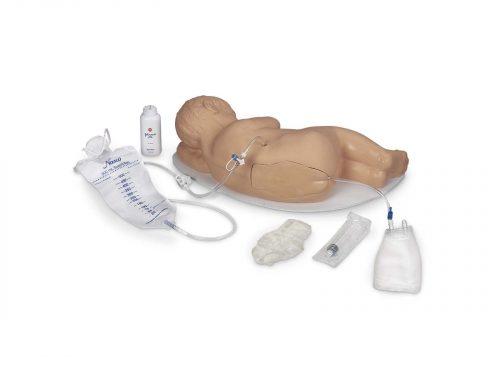 LIFEFORM - Simulator for paediatric lumbar puncture and caudal venous access
See details →
-
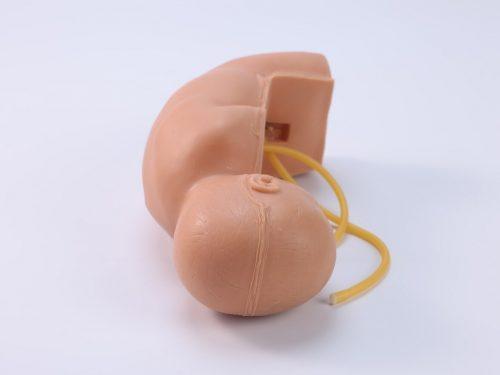 Neonatal Lumbar Puncture Simulator
See details →
-
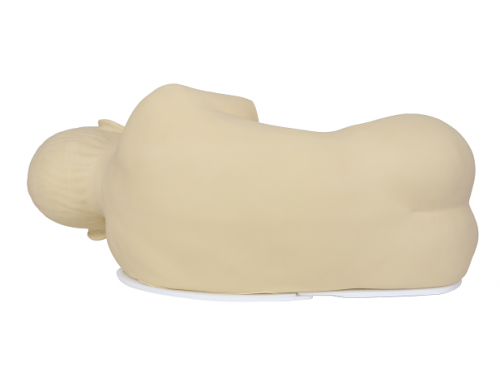 Paediatric Lumbar Puncture Simulator
See details →
Is this equipment going into a new centre?
If you're equipping a classroom or a whole centre, starting from the shopping list works out expensive. Start from the needs assessment.