

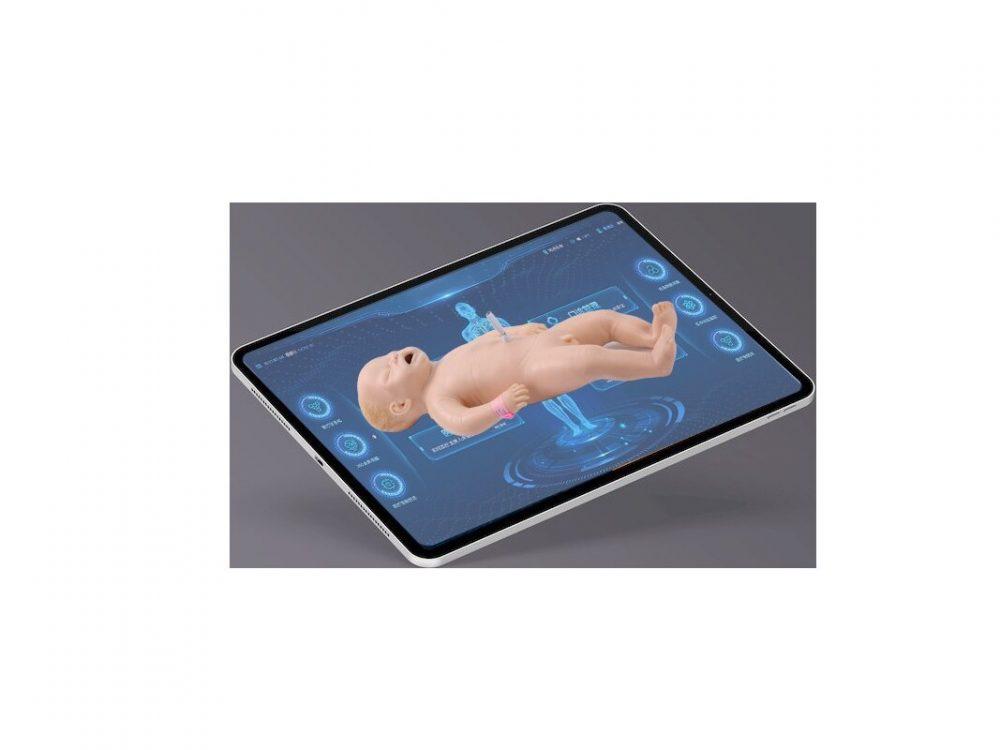
Reference 10814 · Task trainer
Neonatal Asphyxia First Aid Training Model
- Task trainer
- Emergencies
- Main product
- Medicine
This neonatal asphyxia resuscitation system trains users in resuscitation techniques for newborns. It replicates infant characteristics and supports the ABCD resuscitation plan, providing feedback on operational steps to help trainees assess their performance.
Price on request
Available in Spain, Portugal and Andorra · delivery time given in the proposal
Downloadable data sheet — features, specifications and delivery time, in PDF.
Need a technical report? Ask us for it and we'll send it within 24 h →
Description
What this equipment is and what it's designed for.
Product No.: PC-PEE043
 Overview
This neonatal asphyxia resuscitation system trains users in resuscitation techniques for newborns. It replicates infant characteristics and supports the ABCD resuscitation plan, providing feedback on operational steps to help trainees assess their performance.
 Anatomy
• The model features a complete skeleton with seamless, flexible simulated skin that offers a realistic appearance and tactile feel.
• Realistic anatomical structures include a mouth with a tongue and uvula, as well as a visible residual umbilical cord for umbilical care training.
• The model allows for accurate positioning and neck movement to simulate realistic neonatal scenarios.
 Realism
It mimics a suffocated newborn, demonstrating respiratory arrest and decreased heart rate, enabling effective practice of resuscitation techniques.
Functions such as positive pressure ventilation, tracheal intubation, and chest compressions provide real-time feedback on compression depth, position, and frequency.
After resuscitation, the model can exhibit spontaneous breathing, increased heart rate, and even crying, enhancing the realism of training.
 Cleaning
Clean the simulator with a damp cloth using mild soap; avoid abrasive cleaners.
Regularly check the battery and charge wirelessly as needed.
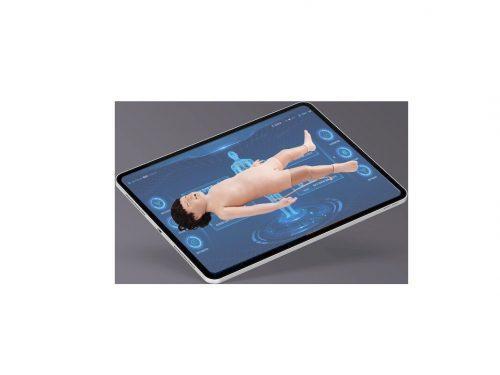
The software system offers comprehensive training materials, with results and scores saved and printable for performance tracking.
Ensure the model is stored in a safe, dry place when not in use.
Specifications
|
Package (kg) & Dimension(cm) LxWxH |
6.56 |
60 |
50 |
17 |
What you learn
Task trainer modality. The competencies this equipment trains, in the language of the training plan.
- Apply the ABCD neonatal resuscitation plan step by step.
- Deliver positive pressure ventilation to the newborn.
- Perform neonatal tracheal intubation.
- Deliver compressions at the correct depth, position and rate.
- Assess the recovery: spontaneous breathing, heart rate and crying.
Related procedures: Basic life support · TNG / Tracheotomy
Cases and pathologies
The clinical scenarios that can be simulated with this equipment.
- Perinatal asphyxia with respiratory arrest and bradycardia.
- Resuscitation in the delivery room.
- Umbilical cord care after birth.
Features and what's included
What the equipment does and what comes in the box, as described by the manufacturer.
Features
- Newborn with a complete skeleton and flexible, seamless simulated skin.
- Oral cavity with tongue and uvula, and a visible umbilical stump.
- Movable neck for precise positioning.
- Real-time feedback on the depth, position and rate of compressions.
- Software with teaching material and a printable record of scores and results.
- Packed weight 6.56 kg and dimensions 60 x 50 x 17 cm.
Services for this equipment
Services matter: the equipment gets commissioned, the staff know how to use it and maintenance is settled before you start. Include them in your budget and avoid having to raise a second purchase.
- Preventive maintenance We'll let you know when it's due
Documentation
You can download it now or we'll send it on request.
Other related equipment
They train the same technique. Each one approaches it in its own way: none of them replaces this one.
Is this equipment going into a new centre?
If you're equipping a classroom or a whole centre, starting from the shopping list works out expensive. Start from the needs assessment.