

Reference 10907 · Anatomical model
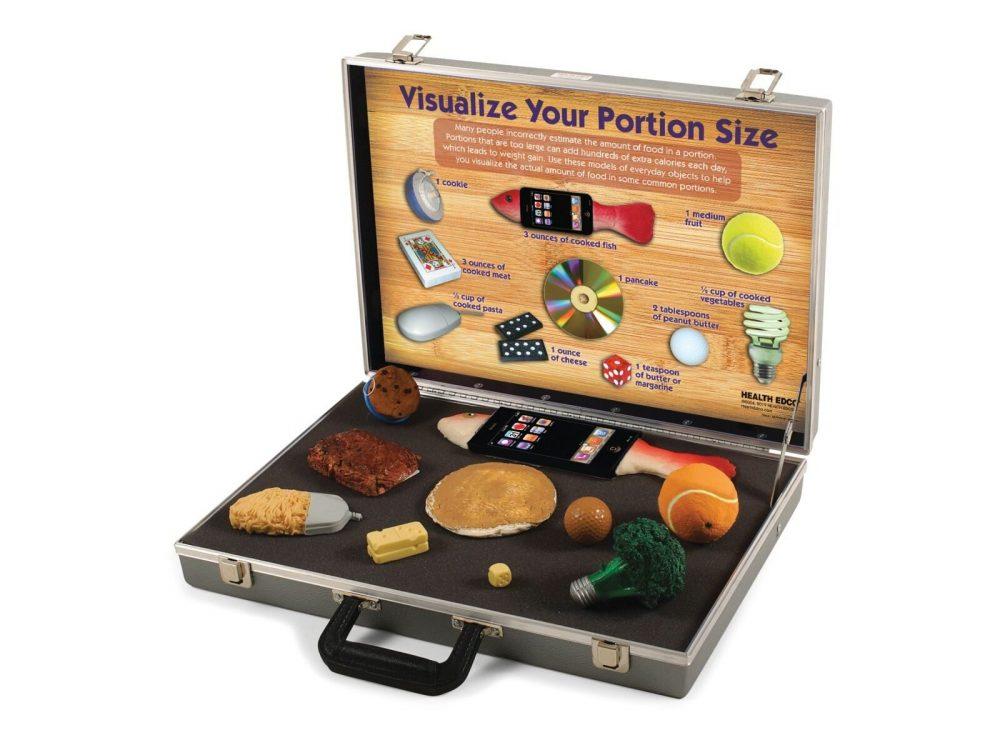
Visualize Your Portion Size Display
- Anatomical model
- General Medicine
- Main product
- Medicine
Recognising portion sizes to gauge how much you are eating throughout the day is key to weight management and overall health. Featuring clever combinations of common foods and household objects, this display trains viewers’ eyes to recognise portion sizes by relating them to everyday things.
Price on request
Available in Spain, Portugal and Andorra · delivery time given in the proposal
Downloadable data sheet — features, specifications and delivery time, in PDF.
Need a technical report? Ask us for it and we'll send it within 24 h →
Description
What this equipment is and what it's designed for.
Recognising portion sizes to gauge how much you are eating throughout the day is key to weight management and overall health. Featuring clever combinations of common foods and household objects, this display trains viewers’ eyes to recognise portion sizes by relating them to everyday things. Models include a CD/pancake representing a portion of grains, a deck of cards/steak representing 3 oz (85 grams) of meat, a tennis ball/orange representing a medium fruit, and more. Comes in a convenient carrying case, which is perfect for health education on the go!
Being wise about portion size is an important part of weight management. Featuring clever combinations of common foods and household objects, this display trains viewers’ eyes to recognise portion sizes by relating them to everyday things. Models include:
- A yo-yo half representing one biscuit portion
- A deck of cards/steak representing 3 oz (85 grams) of cooked lean meat
- A computer mouse/pasta representing ½ cup (80 grams) of cooked pasta
- A smart phone/fish representing 3 oz (85 grams) of cooked fish
- 1 CD/pancake representing one portion of grains
- 2 dominoes representing 3 oz (28 grams) of cheese
- 1 die representing 1 teaspoon (5 grams) of butter or margarine
- A tennis ball/orange representing a medium fruit
- A golf ball/peanut butter representing 2 tablespoons (22 grams) of peanut butter
- A light bulb/broccoli representing ½ cup (80 grams) of cooked vegetables
Comes in portable carrying case that measures 51 cm x 36 cm x 9 cm.
What you learn
Anatomical model modality. The competencies this equipment trains, in the language of the training plan.
- Visual recognition of portion sizes
- Comparison of portions with everyday objects
- Estimation of the amount of food consumed over the course of the day
- Nutrition education for weight control
Features and what's included
What the equipment does and what comes in the box, as described by the manufacturer.
Features
- Display with combinations of common foods and household objects
- It trains the eye to recognise portion sizes by relating them to everyday objects
- Portable carrying case, ideal for health education outside the classroom
- Dimensions of the carrying case: 51 x 36 x 9 cm
Includes
- 1 Yo-yo half, representing one portion of biscuit
- 1 Deck of cards and steak, representing 85 g of cooked lean meat
- 1 Computer mouse and pasta, representing half a cup (80 g) of cooked pasta
- 1 Mobile phone and fish, representing 85 g of cooked fish
- 1 CD and pancake, representing one portion of cereals
- 2 Dominoes, representing 28 g of cheese
- 1 Die, representing one teaspoon (5 g) of butter or margarine
- 1 Tennis ball and orange, representing one medium piece of fruit
- 1 Golf ball and peanut butter, representing two tablespoons (22 g)
- 1 Light bulb and broccoli, representing half a cup (80 g) of cooked vegetables
- 1 Carrying case
Services for this equipment
Services matter: the equipment gets commissioned, the staff know how to use it and maintenance is settled before you start. Include them in your budget and avoid having to raise a second purchase.
- Preventive maintenance We'll let you know when it's due
Documentation
You can download it now or we'll send it on request.
Other related equipment
They share a specialty with this one. They train different things: none of them replaces it.
-
 Diabetic foot model
See details →
-
 Lung cance comparison model
See details →
-
 Lung cancer model
See details →
-
 Advanced life support simulator with OMNI2 - CODE BLUE
See details →
-
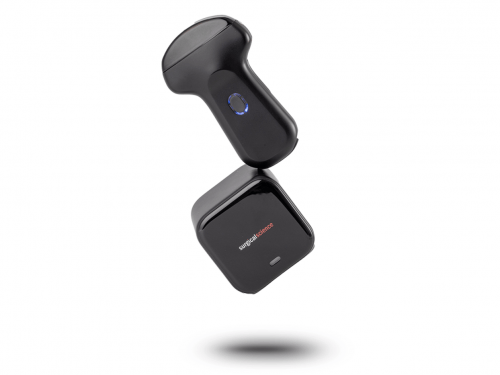 AERIS - Portable PoCUS ultrasound simulator with 1-year licence
See details →
-
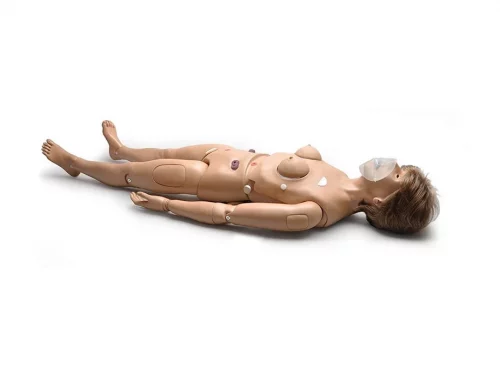 CODE BLUE - Adult simulator for patient care - OMNI1
See details →
Is this equipment going into a new centre?
If you're equipping a classroom or a whole centre, starting from the shopping list works out expensive. Start from the needs assessment.