

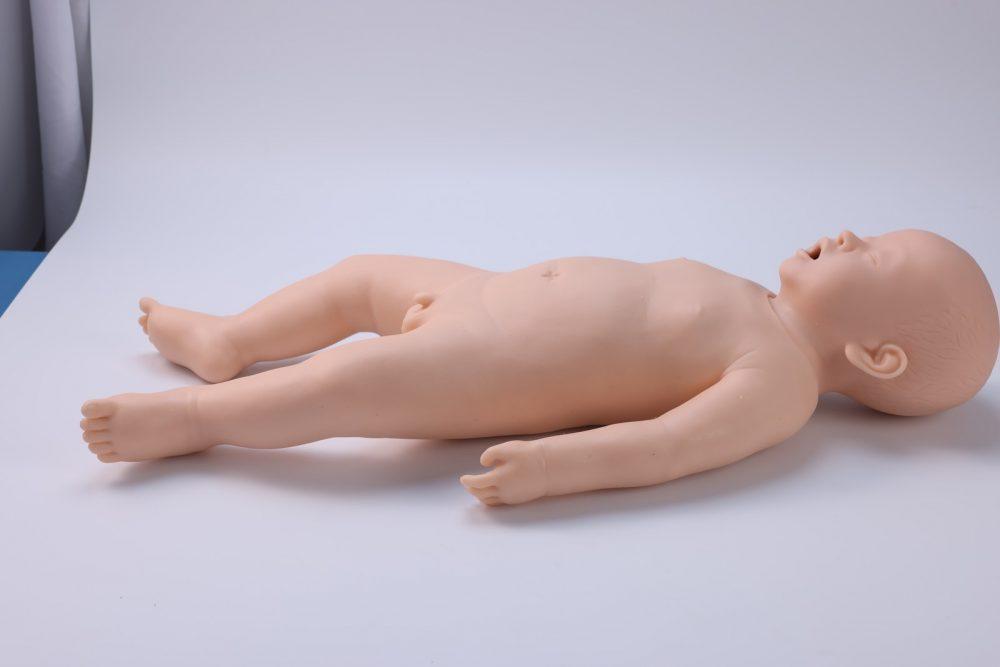
Reference 10807 · Task trainer
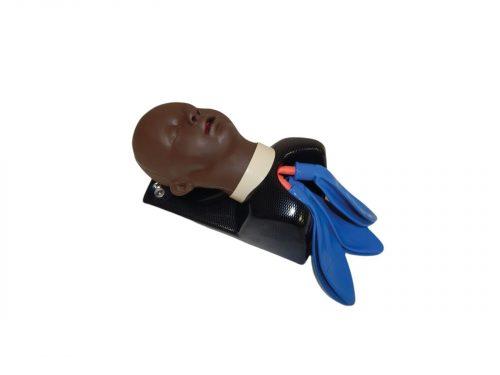
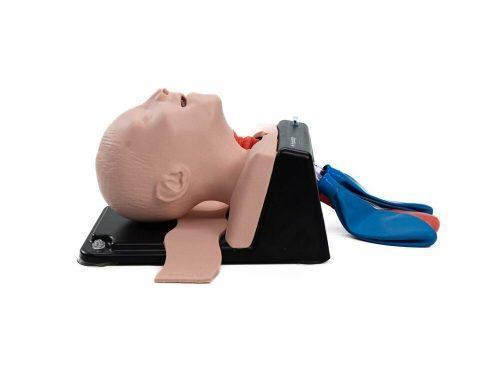
Infant Endotracheal Intubation Simulator
- Task trainer
- Anaesthesiology
- Main product
- Medicine
This model addresses airway obstructions and spontaneous breathing disorders in infants. It accurately represents a 5-month-old infant’s airway, facilitating tracheal intubation training
Price on request
Available in Spain, Portugal and Andorra · delivery time given in the proposal
Downloadable data sheet — features, specifications and delivery time, in PDF.
Need a technical report? Ask us for it and we'll send it within 24 h →
Description
What this equipment is and what it's designed for.
Product No.: PC-PEE005.01
 Overview
This model addresses airway obstructions and spontaneous breathing disorders in infants. It accurately represents a 5-month-old infant’s airway, facilitating tracheal intubation training
 Anatomy
Simulates a 5-month-old baby, approximately 6 kg in weight and 67 cm in height, with soft, elastic skin and a full skeletal structure.
Flexible head and neck joints allow for realistic positioning, mimicking an infant’s nasal cavity, oral cavity, pharynx, larynx, epiglottis, glottis, and trachea.
 Realism
Oral intubation training includes exposing the glottis by tilting the head back and utilizing a laryngoscope to visualize the airway accurately.
The model supports realistic intubation procedures, allowing operators to insert the tracheal tube and observe chest rise and fall upon successful intubation.
Intelligent detection functionality alerts users if intubation depth exceeds safe limits, enhancing the training evaluation process.
 Cleaning
Clean the model with a damp cloth using warm water and neutral detergent, avoiding any abrasive materials.
Regularly check and maintain the intelligent detection system to ensure proper functioning.
Store the model in a dry, shaded area to prevent damage from sunlight.
Specifications
|
Package (kg) & Dimension(cm) LxWxH |
8 |
75.5 |
25.5 |
20 |
What you learn
Task trainer modality. The competencies this equipment trains, in the language of the training plan.
- Extend the infant head and expose the glottis by direct laryngoscopy.
- Insert the endotracheal tube to the correct depth.
- Check chest rise and fall after intubation.
- Recognise intubation that is too deep from the system alert.
Related procedures: Airway management · TNG / Tracheotomy
Cases and pathologies
The clinical scenarios that can be simulated with this equipment.
- Airway obstruction in the infant.
- Disorders of spontaneous breathing in the infant.
- Endobronchial intubation from excessive depth.
Features and what's included
What the equipment does and what comes in the box, as described by the manufacturer.
Features
- Five-month-old infant, weighing about 6 kg and 67 cm long.
- Soft, elastic skin over a complete skeleton.
- Flexible head and neck joints for the intubation position.
- Reproduces the nasal passages, oral cavity, pharynx, larynx, epiglottis, glottis and trachea.
- Intelligent detection that warns when the depth limits are exceeded.
- Packed weight 8 kg and dimensions 75.5 x 25.5 x 20 cm.
Services for this equipment
Services matter: the equipment gets commissioned, the staff know how to use it and maintenance is settled before you start. Include them in your budget and avoid having to raise a second purchase.
- Preventive maintenance We'll let you know when it's due
Documentation
You can download it now or we'll send it on request.
Other related equipment
They train the same technique. Each one approaches it in its own way: none of them replaces this one.
Is this equipment going into a new centre?
If you're equipping a classroom or a whole centre, starting from the shopping list works out expensive. Start from the needs assessment.