

Reference 02692 · Anatomical model
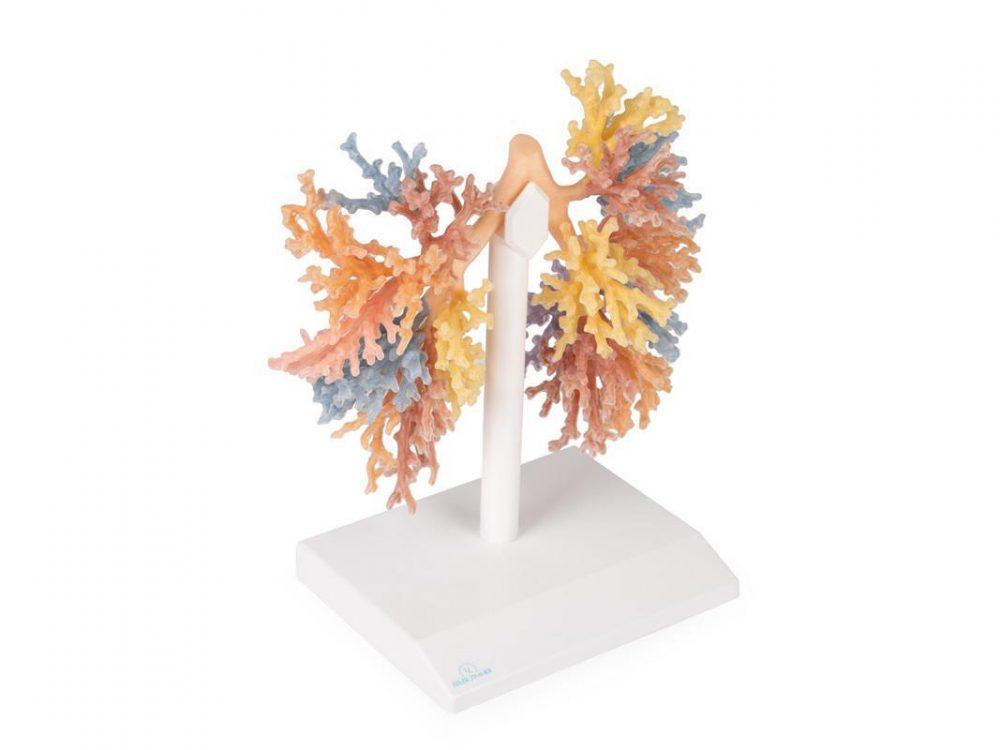
3D ANATOMY - Bronchial tree
- Anatomical model
- Pulmonology
- Main product
- Medicine
Trachea, carina and complete bronchial tree down to the tertiary lobar bronchi, with the bronchopulmonary segments colour-coded.
Price on request
Available in Spain, Portugal and Andorra · delivery time given in the proposal
Downloadable data sheet — features, specifications and delivery time, in PDF.
Need a technical report? Ask us for it and we'll send it within 24 h →
Description
What this equipment is and what it's designed for.
This 3D printed specimen preserves a human trachea, carina, and complete right and left bronchial trees down to the level of the tertiary lobar bronchi. Each set of lobar bronchi has been colour-coded to clearly demonstrate the bronchopulmonary segments of the right and left lung lobes.
Right Lung Bronchial Anatomy
From the right primary bronchus, the secondary bronchus to the upper lobe branches into tertiary bronchi supplying the apical (yellow), anterior (brown), and posterior (sienna) segments. The bronchus intermedius divides to supply the middle lobe, including the lateral (lilac) and medial (tan) segments. The lower lobe bronchus gives rise to the tertiary bronchi of the superior (yellow) and basal segments, which include anterior (purple), posterior (sienna), lateral (brown), and medial (tan).
Left Lung Bronchial Anatomy
From the left primary bronchus, the secondary bronchus to the upper lobe gives rise to tertiary bronchi supplying the apical-posterior (sienna), anterior (brown), superior lingual (tan), and inferior lingual (lilac) segments. The lower lobe bronchus divides into tertiary bronchi for the superior (yellow) and basal segments, including anteromedial (brown), lateral (tan), and posterior (sienna).
What you learn
Anatomical model modality. The competencies this equipment trains, in the language of the training plan.
- Work through the airway from the trachea to the segmental bronchi.
- Name the pulmonary segments and place them on the bronchial tree.
- Orient the bronchoscopic image against the model.
- Explain why aspiration more often goes to the right side.
Cases and pathologies
The clinical scenarios that can be simulated with this equipment.
- Foreign body aspiration.
- Atelectasis and mucus plugging.
- Locating tumours and infections by segment.
- Preparation for bronchoscopy and respiratory physiotherapy.
Features and what's included
What the equipment does and what comes in the box, as described by the manufacturer.
Features
- 3D printed replica made from radiological data or from a dissected cadaveric specimen, not a stylised model: this is real anatomy.
- Developed and checked by the anatomists of the Human Anatomy Teaching Centre at Monash University.
- Colourised to distinguish muscle, nerve, artery, vein and bone, and to separate territories or segments.
- Not human tissue: no restrictions on transport, import or use in institutions without permission to work with cadavers.
- Avoids the ethical and preservation problems that come with plastination.
- Supplied with a detailed description of the anatomy represented in the specimen.
Services for this equipment
Services matter: the equipment gets commissioned, the staff know how to use it and maintenance is settled before you start. Include them in your budget and avoid having to raise a second purchase.
- Preventive maintenance We'll let you know when it's due
Documentation
You can download it now or we'll send it on request.
Other related equipment
They share a specialty with this one. They train different things: none of them replaces it.
-
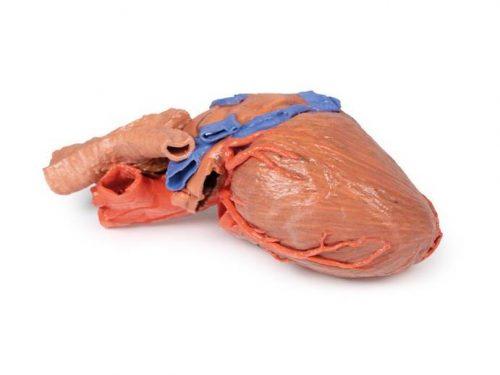 3D ANATOMY - Heart and distal trachea, carina and bronchi
See details →
-
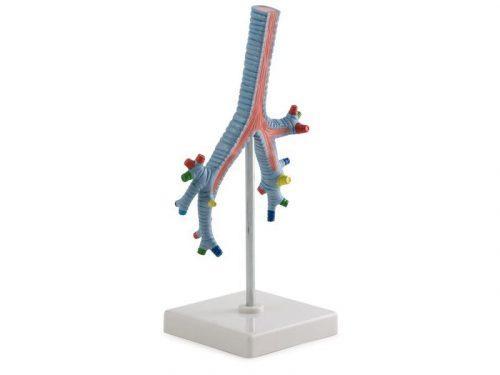 Anatomical model of the bronchial tree - Life-size
See details →
-
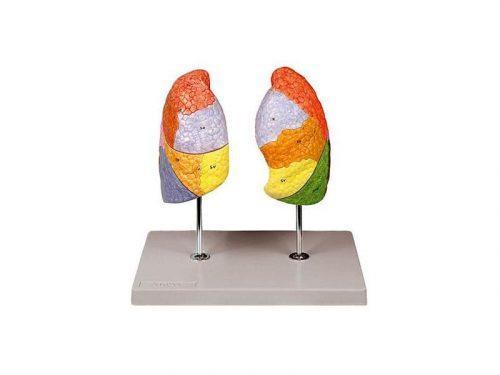 Model of lung anatomy, in colour-coded segments - Life size
See details →
-
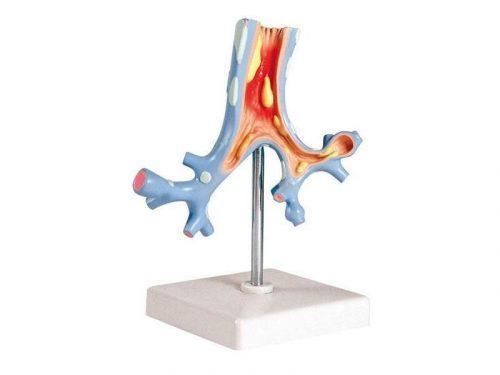 Pathological bronchial tree model - Life size
See details →
-
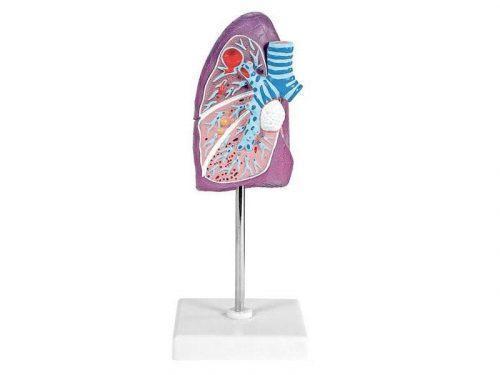 Pathological lung model - Size 2/3
See details →
-
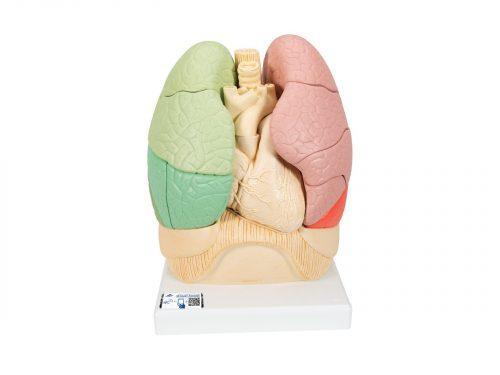 Segmented lung model
See details →
Is this equipment going into a new centre?
If you're equipping a classroom or a whole centre, starting from the shopping list works out expensive. Start from the needs assessment.