

Reference 13638 · Task trainer
Little Junior QCPR
- Task trainer
- Emergencies
- Main product
- Medicine
The Little Junior QCPR model is an affordable training manikin designed for widespread training of schoolchildren and students. The Little Junior QCPR model fits seamlessly into the Little Anne QCPR and Baby Anne QCPR product lines. The model represents a 5-year-old child. – Opening the airway by tilting the head
Price on request
Available in Spain, Portugal and Andorra · delivery time given in the proposal
Downloadable data sheet — features, specifications and delivery time, in PDF.
Need a technical report? Ask us for it and we'll send it within 24 h →
Description
What this equipment is and what it's designed for.
The Little Junior QCPR is an affordable training manikin, designed for the mass training of schoolchildren and students. It fits seamlessly into the Little Anne QCPR and Baby Anne QCPR product lines. The model represents a 5-year-old child.
– Airway opening by head hyperextension and chin lift
– Easy-to-change airways
– Reusable faces
The new QCPR measurement and feedback technology makes it possible to have:
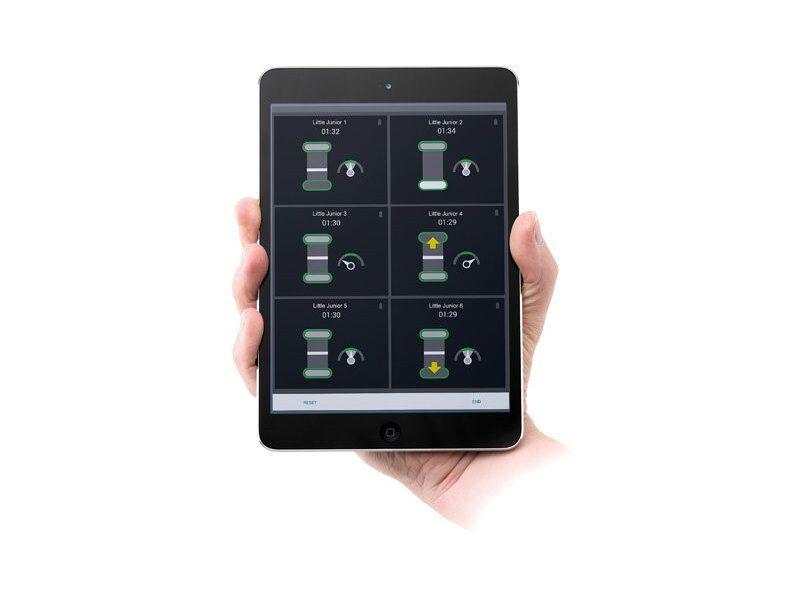
– Real-time feedback on the compressions and the ventilations
– Post-training debriefing, with an overall assessment and pointers for improvement
– Information on compression depth, rate, release, ventilation volume and the number of compressions, ventilations and cycles
– Free Instructor, Learner and Horserace apps
Contents:
1 Little Junior QCPR Light training manikin
1 carry case that also serves as a training mat
1 Little Junior jacket
1 additional airway and lung
1 additional face for the manikin
2 batteries
What you learn
Task trainer modality. The competencies this equipment trains, in the language of the training plan.
- Abrir la vía aérea con hiperextensión de la cabeza y elevación del mentón.
- Comprimir el tórax de un niño de 5 años con la profundidad y la frecuencia correctas.
- Ventilar controlando el volumen.
- Revisar la actuación en el debriefing posterior.
- Cambiar vías aéreas y caras entre alumnos.
Related procedures: Basic life support
Cases and pathologies
The clinical scenarios that can be simulated with this equipment.
- Parada cardiorrespiratoria en el niño.
- Soporte vital básico pediátrico.
- Formación masiva de escolares y estudiantes.
Features and what's included
What the equipment does and what comes in the box, as described by the manufacturer.
Features
- Representa a un niño de 5 años y encaja en las líneas Little Anne QCPR y Baby Anne QCPR.
- Tecnología QCPR con retroalimentación en tiempo real de compresiones y ventilaciones.
- Debriefing con evaluación general e indicaciones de mejora.
- Datos de profundidad, frecuencia, descompresión, volumen de ventilación y número de compresiones, ventilaciones y ciclos.
- Apps gratuitas Instructor, Learner y Horserace.
- Vías aéreas de recambio sencillo y caras reutilizables.
Includes
- 1 maniquí de formación Little Junior QCPR Light.
- 1 maletín de transporte que sirve de colchoneta de entrenamiento.
- 1 chaqueta Little Junior.
- 1 vía aérea y pulmón adicionales.
- 1 cara adicional.
- 2 pilas.
Services for this equipment
Services matter: the equipment gets commissioned, the staff know how to use it and maintenance is settled before you start. Include them in your budget and avoid having to raise a second purchase.
- Preventive maintenance We'll let you know when it's due
Documentation
You can download it now or we'll send it on request.
Other related equipment
They train the same technique. Each one approaches it in its own way: none of them replaces this one.
-
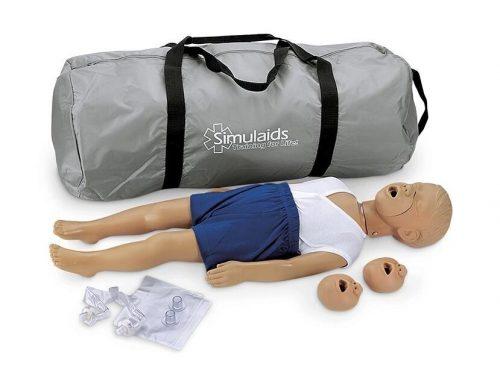 3-year-old CPR Manikin
See details →
-
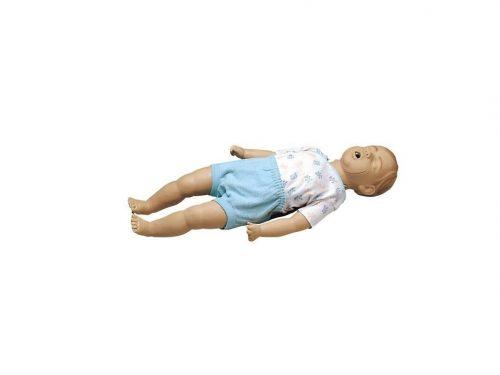 6 to 9 month-old CPR Manikin
See details →
-
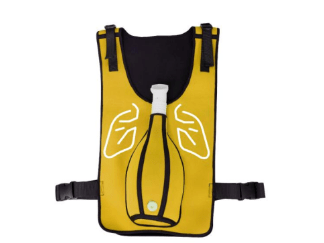 Act Fast Anti-Choking Trainer Vest (Children)
See details →
-
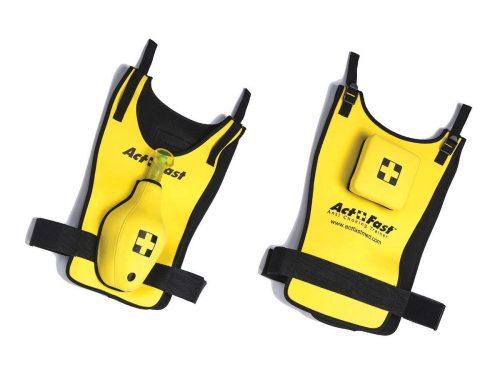 Act+Fast Rescue Choking Vest - Yellow, Children's Trainer
See details →
-
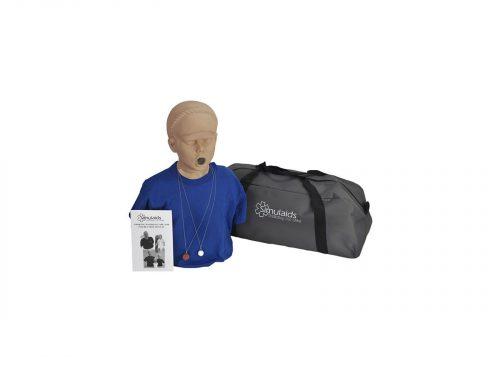 Adolescent Choking Torso
See details →
-
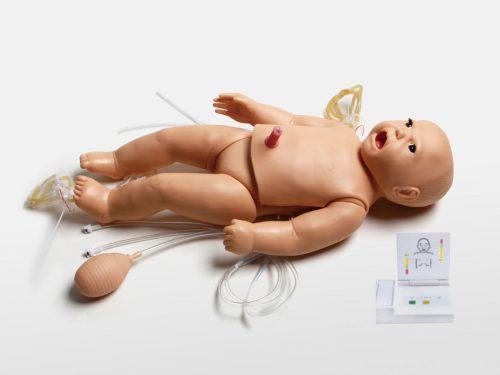 Advanced Full Functional Neonatal Nursing and CPR Manikin
See details →
Is this equipment going into a new centre?
If you're equipping a classroom or a whole centre, starting from the shopping list works out expensive. Start from the needs assessment.