

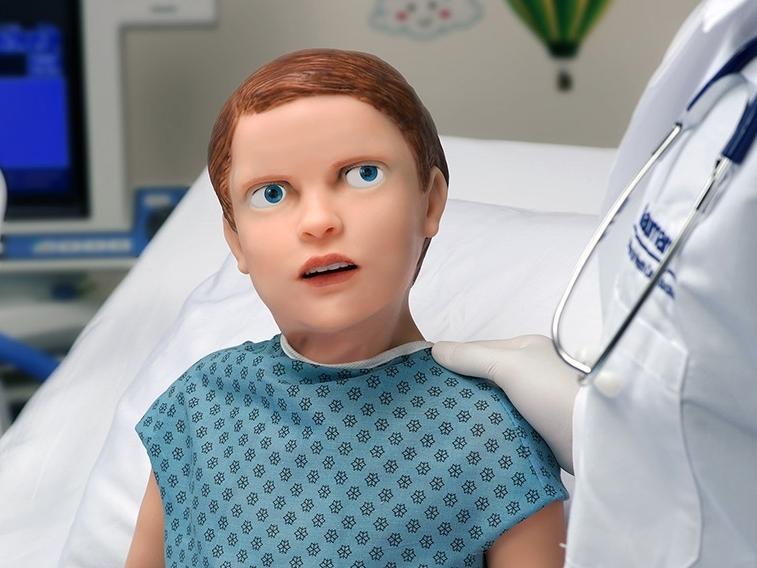
Reference 01509 · Patient simulator
HAL Paediatric - HI-FI paediatric simulator (5 years) - UNI
- Patient simulator
- Emergencies
- Main product
- Medicine
Paediatric HAL S2225 is the world’s most advanced paediatric patient simulator and the first capable of simulating lifelike emotions through dynamic facial expressions, movement, and speech.
Price on request
Available in Spain, Portugal and Andorra · delivery time given in the proposal
Downloadable data sheet — features, specifications and delivery time, in PDF.
Need a technical report? Ask us for it and we'll send it within 24 h →
Description
What this equipment is and what it's designed for.
Pediatric HAL® is the world’s most advanced pediatric patient simulator and the first capable of simulating lifelike emotions through dynamic facial expressions, movement, and speech.
HAL is designed to help providers of all levels develop the specialized skills needed to effectively communicate, diagnose, and treat young patients in nearly all clinical areas.
What you learn
Patient simulator modality. The competencies this equipment trains, in the language of the training plan.
- Abnormal respiration patterns detection
- CO2 monitoring (inspiratory/expiratory ratios)
- BVM ventilation
- Mechanical ventilators training
- Oral and nasal intubation
- Pulmonary and cardiac auscultation
- Resuscitation trainining (CPR)
- Chest tube insertion
- Hemothorax exercises (suturing, incision, fluid drain and more)
- Needle decompression exercises
- Naso and orotracheal intubation
- Supraglotic devices usage
- NG/OG tube placement
- Tracheostomy, cricothyrotomy and retrograde intubation
- Difficult airway management (laringospams and tongue edema)
- Capillary refill time testing
- Palpation of pulses (carotid, brachial, radial and femoral)
- Blood pressure measurement exercises
- SpO2 monitoring
- Defibrillation, cardioversion and pace using real devices
- Diagnosis of pediatric facil expressions and emotional states of the patient
- Abnormal eye conditions detection
- Seizure management
- IV training
- Intraosseous exercises
- Glucose test exercises with real equipment
- Gastric distension
- Male and female urinary catheterization
Related procedures: Advanced life support · AED/SAED · Airway management · Airway suctioning · Auscultation · Basic life support · Cannulation · Catheterization · Electrocardiography · Intraosseous · Intravenous · Medication administration and pharmacology · Nasogastric/orogastric tube placement · Oxygen therapy and ventilation · Patient monitor · TNG / Tracheotomy · Vital signs
Cases and pathologies
The clinical scenarios that can be simulated with this equipment.
- Interactive eyes and color-changing skin allow Pediatric HAL to illustrate signs of varying emotional states, trauma, and many other neurological diseases and conditions.
- Accommodation test: automatic horizontal tracking and manual vertical tracking
- Strabismus: exotropia and esotropia
- Nystagmus: eyeball twitching
- Blepharospasm: eyelid twitching
- Ptosis: eyelid droop
- Realistic idle eye movement
- Independent pupillary light reflex
- Mydriasis: blown pupil
- Anisocoria: unequal pupil sizes
- Programmable blinking rate
- Consensual pupillary light reflex
- Mild and severe seizures
- The new Pediatric HAL® Simulation Learning Experiences (SLEs) package provides you with a library of ready-to-use, evidence-based scenarios designed to help you maximize participant’s learning through outcome-focused simulated clinical patient encounters.
- The package includes 10 SLEs complete with a facilitator’s guidebook for planning, setting up, and facilitating each learning experience.
- Acute Lymphocytic Leukemia (ALL)
- Appendicitis
- Post-Op Cardiac Transplant
- Potential Organophosphate Poisoning
- Respiratory Syncytial Virus (RSV)
- Sepsis In A Six-Year-Old
- Seizure Management
- Status Asthmaticus
- Trauma Related To Child Abuse
- Four-Year-Old With Trauma
- Through scenario-based learning, HAL can help participants assess verbal and non-verbal cues to build patient-provider communication skills and empathy.
- In addition to illustrating nearly a dozen facial expressions, HAL also simulates a variety of common emotional states to better approximate behavior.
- What's more, the powerful UNI software lets you create your own facial expressions and emotions to expand the scope of the learning experiences. The UNI library includes the following presets to get you started:
- Anger
- Transient Pain
- Ongoing Pain
- Amazed
- Quizzical
- Worried
- Anxious
- Crying
- Yawning
Features and what's included
What the equipment does and what comes in the box, as described by the manufacturer.
Features
PRODUCT FEATURES:- Height: 44 inches
- Tetherless and wireless; fully responsive during transport
- The internal rechargeable battery provides hours of tetherless operations
- Smooth and supple full-body skin with seamless trunk and limb joints
- Realistic joint articulation: neck, shoulder, elbow, hip, and knee
- Palpable bony landmarks
- Forearm pronation and supination
- Supports common patient positions including Fowler’s, supine, and sitting
- Male/female patient conversion
- Tablet PC preloaded with UNI® 3 included
- OMNI®2 ready
- Includes 10 preprogrammed SLEs and facilitator’s guidebook
- Tetherless and fully responsive even while being transported for team training
- Internal rechargeable battery provides up to 4 hrs. of tetherless operation
- Pneumatic and fluid reservoirs are housed inside the body
- Spontaneous breathing and selectable normal and abnormal respiratory patterns
- Variable respiratory rates and inspiratory/expiratory ratios
- Programmable unilateral chest rise and fall
- Unilateral chest rise with right mainstem intubation
- Real CO 2 exhalation: supports etCO 2 monitoring using real sensors and monitoring devices
- Selectable normal and abnormal sounds: upper right front and back, upper left front and back, lower right back, and lower left back
- Mechanical ventilation support: AVC, SIMV, CPAP, PCV, PSV, and more Supports therapeutic levels of PEEP Programmable variable lung compliance Variable bronchi resistance Programmable respiratory efforts for weaning/liberation
- AVC, SIMV, CPAP, PCV, PSV, and more
- Supports therapeutic levels of PEEP
- Programmable variable lung compliance
- Variable bronchi resistance
- Programmable respiratory efforts for weaning/liberation
- Real-time ventilation feedback
- Visible chest rise during BVM ventilation
- Chest tube insertion: left midaxillary hemothorax site features palpable bony landmarks, realistic skin for cutting and suturing, tactile pleural pop, and fluid drain
- Needle decompression site features realistic tactile feedback and audible hiss
- Needle decompression and chest tube insertion detection and logging
- AVC, SIMV, CPAP, PCV, PSV, and more
- Supports therapeutic levels of PEEP
- Programmable variable lung compliance
- Variable bronchi resistance
- Programmable respiratory efforts for weaning/liberation
- Anatomically accurate oral cavity and airway
- Supports nasotracheal/orotracheal intubation with standard instruments including endotracheal tubes and supraglottic airway devices
- Tracheal intubation detection
- Head tilt, chin lift, jaw thrust
- Supports oesophageal intubation
- NG/OG tube placement
- Supports bag-valve-mask ventilation
- Realistic surgical trachea permits tracheostomy, cricothyrotomy, and retrograde intubation
- Programmable difficult airway: laryngospasm and tongue oedema
- Selectable normal and abnormal upper airway sounds
- Visible cyanosis, redness, pallor, and jaundice
- Supports capillary refill time testing above the right knee; test detection and logging
- Palpable pulses: bilateral carotid, brachial, radial, and femoral
- Blood pressure-dependent pulses
- Supports blood pressure monitoring using a real NIBP cuff and monitor
- SpO2 monitoring using real devices
- Includes a comprehensive library of ECG rhythms with customizable beat variations
- Independent normal/abnormal heart sounds at aortic, pulmonic, and mitral sites
- Supports ECG monitoring using real devices
- Supports ECG-derived respiration monitoring (EDR)
- Real-time CPR quality feedback and reporting Time to CPR Compression depth/rate Compression interruptions Ventilation rate Excessive ventilation Smart CPR voice coach
- Time to CPR
- Compression depth/rate
- Compression interruptions
- Ventilation rate
- Excessive ventilation
- Smart CPR voice coach
- Effective chest compressions generate palpable femoral pulses
- Defibrillate, cardiovert, and pace using real devices and energy
- Anterior/posterior defibrillation sites
- Supports double sequential external defibrillation (DSED) up to 150 Joules
- Time to CPR
- Compression depth/rate
- Compression interruptions
- Ventilation rate
- Excessive ventilation
- Smart CPR voice coach
- Active robotics simulate lifelike facial expressions including: Anger Transient pain Ongoing pain Amazement Quizzical Crying Yawning
- Anger
- Transient pain
- Ongoing pain
- Amazement
- Quizzical
- Crying
- Yawning
- Preprogrammed emotional states automatically express associated verbal and non-verbal cues without manual input Worried Anxious Lethargic Distracted
- Worried
- Anxious
- Lethargic
- Distracted
- Create custom facial expressions via UNI® 3 interface
- Programmable jaw movement, bilateral or unilateral brow movement, and horizontal neck rotation
- Automatically turns head and eyes towards the approaching subject
- Stiff neck (torticollis)
- Interactive eyes: eyes can automatically follow a moving object
- Programmable blinking rate, pupil response, and bilateral and unilateral eye movement
- Independent, active pupillary light reflex
- Abnormal eye and eyelid movements: cross-eyed, nystagmus, eyelid twitching, eyelid droop
- Programmable crying/tears release real fluid
- Wireless streaming voice: be the voice of HAL and listen to participants respond in real-time
- Real-time voice modulation effects
- Automatic jaw movement synchronized with speech
- Seizures with selectable intensity levels
- 50+ prerecorded speech responses
- Anger
- Transient pain
- Ongoing pain
- Amazement
- Quizzical
- Crying
- Yawning
- Worried
- Anxious
- Lethargic
- Distracted
- Bilateral forearm IV access supports sampling and continuous infusion
- Intraosseous infusion site at the right proximal tibia
- Real glucose test readings via finger-stick
- Patent oesophagus
- Gastric distension during excessive PPV
- Bowel sounds in four quadrants
- Interchangeable male/female genitalia
- Supports urinary catheterisation with fluid return
- Programmable urinary output
Includes
- 1 Pediatric HAL simulator
- 1 UNI Tablet PC with wireless pencil
- 1 Automatic mode activation code
- 1 SLE Simulation scenarios package
- 1 RF module
- 1 Battery charger
- 1 Replacement chest tube and tension pneumo sites
- 1 Defibrillation adapters
- 1 IV Filling kits
- 1 Rolling transport case
- 1 Instructions manual
Modules
They extend what this equipment teaches. They are requested separately and are not included in the quotation by default.
- It simulates the functionality and look of a real patient monitor, allowing participants to practice data interpretation, documentation, and clinical decision-making skills.
- Customizable interface can mimic the look of various real patient monitor brands
- 20+ Dynamic scalars and waveforms including HR, ABP, SpO2, RR, EtCO2, temperature, time, and more
- Customizable alarms for vital sign parameter high/low threshold
- Virtual 12-Lead ECG Monitoring
- Data histogram
- Built-in virtual defibrillator and pacer
- Wireless data communication
Consumables and spare parts
What this equipment will need next year.
-
Mineral oil Mineral oil. Original consumable, compatible with the patient simulators VICTORIA, HAL AI, HAL, PED HAL, PREMIE HAL and SUPER TORY.14002
-
PED HAL - Antecubital veins Replacement antecubital veins for the PED HAL high-fidelity paediatric simulator.01740
-
PED HAL - Antecubital veins for Ref. 1509 Antecubital veins. Original replacement part, compatible with the PED HAL 5-year-old high-fidelity paediatric simulator (Ref. 1509).14040
-
PED HAL - Cricothyroid membrane Replacement cricothyroid membrane for the PED HAL high-fidelity paediatric simulator.01732
-
PED HAL - Finger for glucose puncture Replacement finger for glucose-puncture practice on the PED HAL high-fidelity paediatric simulator.01737
-
PED HAL - Insert for pneumothorax Replacement pneumothorax insert for the PED HAL high-fidelity paediatric simulator.01733
-
PED HAL - Left forearm skin Replacement skin for the left forearm of the PED HAL high-fidelity paediatric simulator.01735
-
PED HAL - Left leg skin for Ref. 1509 Left leg skin. Original replacement part, compatible with the PED HAL 5-year-old high-fidelity paediatric simulator (Ref. 1509).14038
-
PED HAL - Right forearm skin Replacement skin for the right forearm of the PED HAL high-fidelity paediatric simulator.01736
-
PED HAL - Simulated glucose solution kit (paediatric) for Ref. 1509 Simulated glucose solution kit (paediatric). Original consumable, compatible with the PED HAL 5-year-old high-fidelity paediatric simulator (Ref. 1509).14039
-
PED HAL - Skin for tibial IO access Replacement skin for the tibial intraosseous (IO) access site on the PED HAL high-fidelity paediatric simulator.01730
-
PED HAL - Skin for trachea Replacement tracheal skin for the PED HAL high-fidelity paediatric simulator.01734
-
PED HAL - Tibia bone for IO Replacement tibia bone for intraosseous (IO) access practice on the PED HAL high-fidelity paediatric simulator.01731
-
Simulated blood concentrate for Ref. 1509 and 1508 Simulated blood concentrate. Original consumable, compatible with PED HAL (Ref. 1509) and SUPER TORY (Ref. 1508).14041
Services for this equipment
Services matter: the equipment gets commissioned, the staff know how to use it and maintenance is settled before you start. Include them in your budget and avoid having to raise a second purchase.
- Installation and setup Technician · at your centre
- Equipment usage training Trainer · at your centre
- Preventive maintenance We'll let you know when it's due
Documentation
You can download it now or we'll send it on request.
Other related equipment
They train the same technique. Each one approaches it in its own way: none of them replaces this one.
-
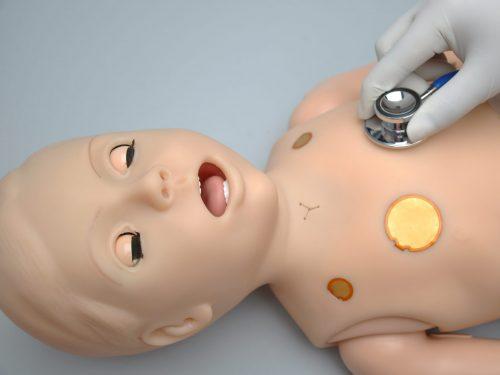 PED HAL - Advanced Paediatric simulator (1 year) - UNI
See details →
- PED HAL - Paediatric simulator (5 years) - 3000 Series See details →
-
 HAL - Advanced Multipurpose Patient Simulator
See details →
-
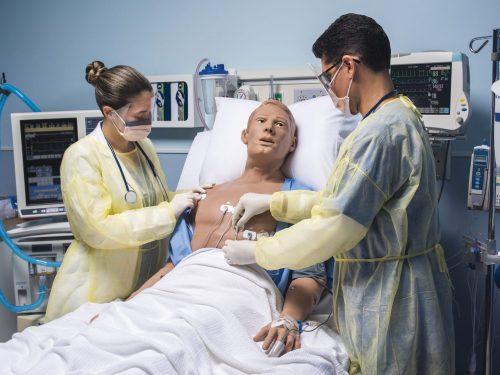 HAL AI - Advanced adult patient simulator with artificial intelligence
See details →
-
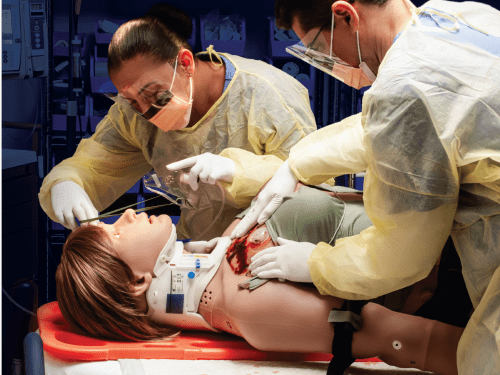 PHOEBE - Multitrauma female patient simulator
See details →
-
 HAL - HI-FI patient simulator - UNI
See details →
Is this equipment going into a new centre?
If you're equipping a classroom or a whole centre, starting from the shopping list works out expensive. Start from the needs assessment.